
WASHINGTON — The U.S. economy expanded at an annualized rate of 1.5% in the second quarter, signaling slower growth as inflation remained persistently high and continued to weigh on consumers and businesses.
The latest economic data showed that while consumer spending and business investment helped keep the economy growing, the pace slowed compared with previous quarters. Elevated prices and higher borrowing costs continued to pressure household budgets and business activity.
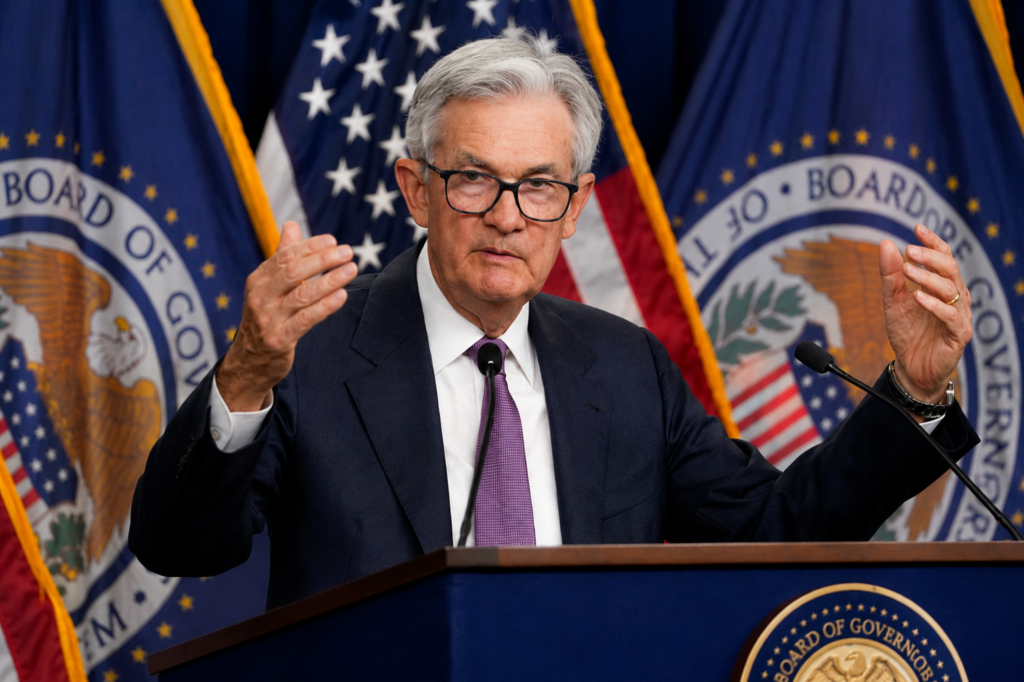
Inflation also remained above the Federal Reserve’s long-term target, reinforcing expectations that policymakers may keep interest rates elevated until price pressures ease more convincingly.


Economists said the report reflects an economy that is still expanding but losing momentum as tighter monetary policy and persistent inflation reduce demand across several sectors.
Financial markets will closely watch upcoming inflation, employment and consumer spending data for further clues on the direction of the economy and future Federal Reserve policy decisions.
Despite the slowdown, analysts noted that continued economic growth reduces the immediate risk of a recession, although uncertainty remains over whether inflation can be brought under control without causing a sharper economic downturn