
By Jahanzaib Saqib — The Changer
ISLAMABAD, October 13, 2026 — Escalating hostilities between Saudi Arabia and Yemen’s Houthi movement are placing Pakistan’s Gulf security commitments under growing scrutiny, while threats to energy infrastructure and vital shipping routes create fresh economic risks for a country already struggling with inflation, external financing pressures and dependence on imported fuel.
The latest confrontation has moved beyond Yemen’s internal battlefield, with missile and drone attacks targeting Saudi infrastructure and retaliatory operations expanding the conflict. Attacks on Riyadh’s King Khalid International Airport have caused civilian casualties and intensified concern about the vulnerability of major transport and commercial facilities. The growing danger to energy installations and maritime routes has raised the possibility of wider economic disruption across the region.


Pakistan has strongly condemned the Houthi attacks and reaffirmed its commitment to Saudi Arabia’s sovereignty, territorial integrity and security. The Foreign Office has linked that position to the Makkah Joint Defence Agreement, signed with Saudi Arabia and Türkiye in August, which established a framework for collective defence cooperation. Islamabad’s statements underline the strategic importance of its relationship with Riyadh, although the precise scope of any military involvement requires careful distinction between official commitments, reported deployments and independently verified operations.
The agreement has acquired greater significance as Saudi Arabia seeks support from regional partners to strengthen its air defences and protect critical infrastructure. Reports of Pakistani and Turkish military cooperation have intensified questions about the operational responsibilities arising from the pact. Pakistan’s publicly stated position has emphasised defensive cooperation, while accounts of wider involvement have not always been accompanied by detailed official confirmation.
For Islamabad, the diplomatic challenge extends beyond the defence agreement itself. Pakistan maintains longstanding economic and political relations with Saudi Arabia while also sharing a border and important security interests with Iran. An extended regional confrontation could complicate efforts to preserve constructive relations with both countries, particularly if the conflict expands or demands additional commitments from regional partners.
The economic consequences may be felt even without further Pakistani military involvement. Pakistan relies heavily on imported petroleum, making domestic fuel costs sensitive to international oil prices, exchange-rate movements and shipping expenses. Instability around the Red Sea and the Strait of Hormuz can increase transport risks, insurance premiums and the cost of moving energy supplies, creating additional pressure on businesses and consumers.
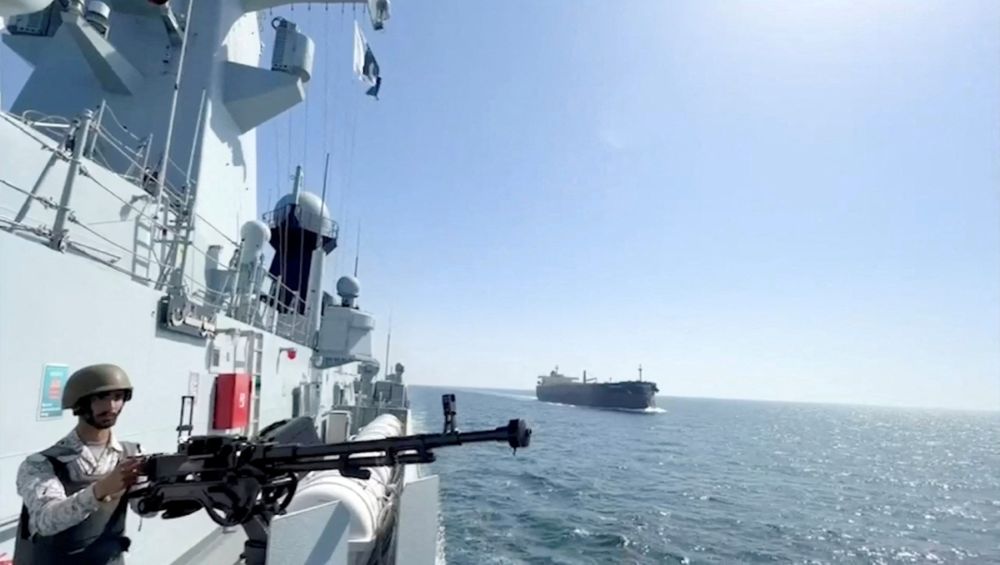
The Red Sea is particularly important because it connects maritime traffic between Asia, the Middle East and Europe through the Bab el-Mandeb Strait and the Suez Canal. Threats to commercial vessels can force shipping operators to reconsider routes, introduce security measures or absorb higher operating costs. Those disruptions can eventually affect trade prices and delivery schedules far beyond the immediate conflict zone.
Pakistan’s exposure is not confined to oil imports. Higher shipping and energy costs can raise expenses for manufacturers, agricultural producers and exporters, potentially reducing competitiveness at a time when the country needs stronger foreign-exchange earnings. Additional pressure on import payments could also complicate efforts to manage the current account and maintain financial stability.
The Gulf is equally important to Pakistan because of the large Pakistani workforce employed across the region. Overseas workers contribute substantially to household incomes through remittances, making regional economic stability relevant to millions of families. A prolonged security crisis could affect travel, employment conditions and business confidence, although the extent of any disruption would depend on how the conflict develops.
The latest violence has also worsened Yemen’s humanitarian emergency. Fighting around Taiz and other contested areas has disrupted access to essential supplies, forced civilians to flee and complicated humanitarian operations. Rising food and water prices have added to the hardship facing communities already affected by years of war and economic collapse.
Saudi Arabia says its military operations are intended to counter threats from the Houthis and protect its territory and infrastructure. The Houthis, meanwhile, have threatened further attacks in response to Saudi operations, increasing concern that retaliation could sustain the cycle of violence. The competing positions highlight the difficulty of securing a durable settlement while military operations and regional rivalries continue.
For Pakistan, the immediate policy challenge is to reconcile its security relationship with Saudi Arabia, its diplomatic interests with Iran and its need to protect an economically vulnerable population from further external shocks. Decisions involving military cooperation, energy security and regional diplomacy may carry consequences that extend well beyond the Gulf.
The latest escalation therefore presents Islamabad with a test of strategic balance. Supporting an important regional partner while limiting the risk of broader involvement will require clear policy objectives, transparent communication and continued attention to Pakistan’s economic vulnerabilities. As fighting threatens maritime trade and energy infrastructure, the cost of regional instability could increasingly be measured not only in military terms but also in the prices paid by Pakistani households and businesses.