
Explainer | By Jahanzaib Saqib
For more than four years, Ukraine’s air defense network has done more than intercept missiles—it has helped shape the course of the war.
As Russia continues launching increasingly sophisticated waves of missiles and drones, Ukrainian President Volodymyr Zelensky now warns that those defenses are under unprecedented pressure. If they begin to fail, the consequences could extend far beyond the battlefield.


What Is Ukraine’s Air Defense Network?
Ukraine’s air defense system is a layered shield designed to detect, track and destroy incoming threats before they reach their targets.
The network combines long-range missile systems, medium- and short-range interceptors, mobile anti-aircraft units, radar installations and electronic warfare capabilities. Intelligence provided by Western allies has also played a critical role in helping Ukraine respond to Russian attacks.
Since the full-scale invasion began in 2022, these systems have protected cities, power stations, military facilities and millions of civilians.
Why Is Russia Trying to Overwhelm It?
Rather than relying on isolated strikes, Russia increasingly launches large, coordinated attacks involving ballistic missiles, cruise missiles and waves of drones.
The strategy is designed to force Ukraine to use expensive interceptor missiles while creating multiple targets at once.
Even if most projectiles are intercepted, a handful breaking through can inflict significant damage.
Military analysts describe it as a war of endurance—one in which Russia hopes Ukraine will eventually run short of air defense missiles faster than they can be replaced.
What Happens If the Defenses Are Overwhelmed?
The impact would be immediate and severe.
Residential neighborhoods would face greater risks from missile strikes, while hospitals, schools and public infrastructure could become increasingly vulnerable.
Energy facilities—which have repeatedly been targeted throughout the war—could suffer fresh disruptions, affecting electricity, heating and water supplies for millions of people.
The Ukrainian military would also face difficult choices, deciding whether to prioritize protecting civilians, military bases or critical infrastructure when interceptor supplies become limited.
Can Western Allies Prevent That?
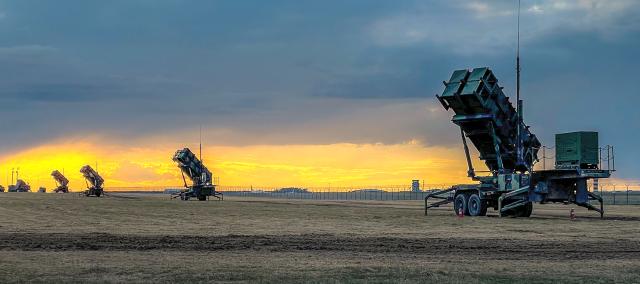
Ukraine’s partners have continued supplying advanced air defense systems, including Patriot and other Western platforms.
However, production of interceptor missiles takes time, and demand has risen sharply as conflicts continue in multiple regions around the world.
That means replenishing Ukraine’s stockpiles remains one of the biggest challenges facing its allies.
Could This Change the Course of the War?
Possibly.
Ukraine’s ability to deny Russia control of its skies has been one of the country’s greatest military successes.
If that advantage weakens, Russia could increase pressure on cities, infrastructure and military positions while forcing Kyiv to divert more resources toward homeland defense instead of frontline operations.
That would not automatically change the outcome of the war—but it could significantly alter its pace, humanitarian impact and strategic direction.
Why It Matters
Ukraine’s air defense network has become more than a military asset—it is the country’s protective shield.
Every intercepted missile represents lives saved, hospitals left standing and power grids kept online. If Russia succeeds in overwhelming that shield, the conflict could enter a far more dangerous phase, with higher civilian casualties, greater infrastructure destruction and mounting pressure on Ukraine’s armed forces.