
Explainer | By Robeka Irfan
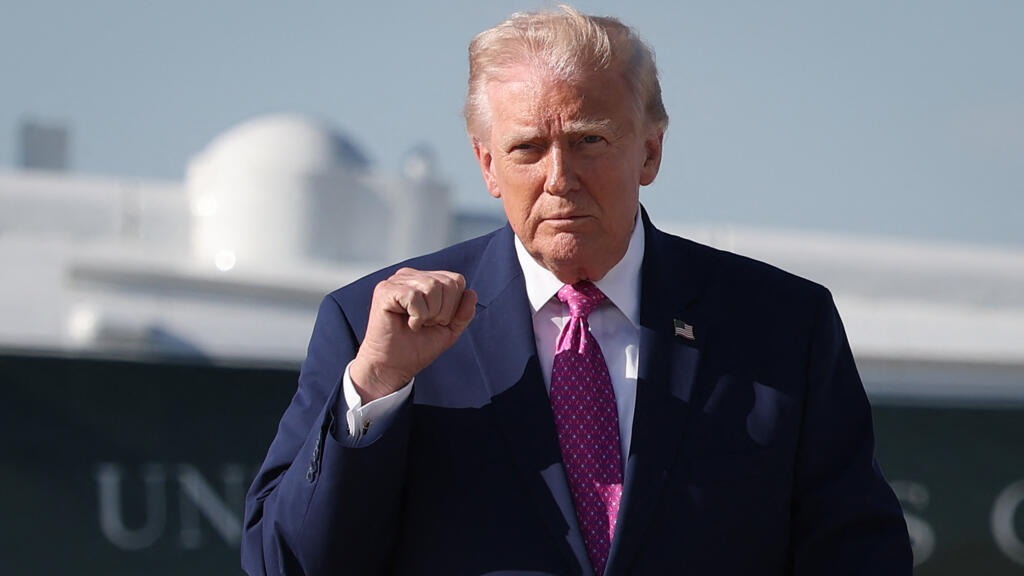
WASHINGTON — After months of threatening more military action against Iran, President Donald Trump has made a dramatic shift.
He says the United States will hold off on further strikes—but only if negotiators finalize what he calls the “parameters” of a broader agreement to end the war. Trump said the emerging framework would include reopening the Strait of Hormuz and steps to eliminate what the U.S. sees as Iran’s nuclear threat.


The announcement has raised one big question:
Is the war actually ending, or is this simply another pause before the next confrontation?
What Did Trump Actually Announce?
Trump said he has instructed U.S. forces to pause planned military strikes against Iran while diplomats work to finalize a broader peace framework.
The pause is conditional, not permanent.
If negotiations fail—or if Iran carries out further attacks—the United States has indicated military action remains an option.
What Are the Reported Conditions?
According to Trump and officials familiar with the discussions, the emerging framework could include:
- Reopening the Strait of Hormuz to international shipping.
- Ending direct military hostilities.
- Returning to high-level diplomatic negotiations.
- Addressing concerns over Iran’s nuclear activities.
- Reducing attacks by Iranian-backed groups across the region.
Many of these points still require formal agreement, and neither Washington nor Tehran has announced a finalized treaty.
Why Is the Strait of Hormuz So Important?
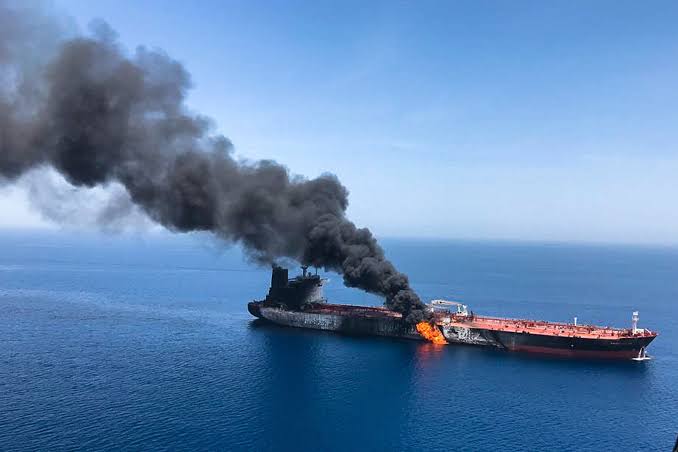
The Strait of Hormuz is one of the world’s most strategic waterways.
A significant share of globally traded oil and liquefied natural gas passes through the narrow passage every day.
Any disruption can quickly affect:
- Global oil prices.
- Energy supplies.
- Shipping costs.
- Inflation in importing countries.
That is why reopening the strait has become one of the central objectives of the negotiations.
Does This Mean the War Is Over?
Not yet.
Trump’s announcement signals an opportunity for diplomacy, not a final peace settlement.
Military forces remain on alert across the region, and negotiations still face difficult questions involving Iran’s nuclear programme, regional security arrangements and long-term verification.
Iran has also responded cautiously, saying it remains prepared to defend itself while continuing diplomatic contacts.
What Could Derail the Deal?
Several issues could still collapse the negotiations:
- A new military strike by either side.
- Disagreements over Iran’s nuclear programme.
- Regional attacks involving proxy groups.
- Security guarantees demanded by Israel and Gulf states.
- Political opposition inside both Washington and Tehran.
Even a single major incident could reverse recent diplomatic progress.
What Happens Next?
Negotiators are expected to continue working on the detailed framework over the coming days.
If both sides formally accept the proposed parameters, the current military pause could evolve into a broader ceasefire.
If talks fail, however, the United States has made clear that military options remain available.
Why It Matters
Trump’s decision marks one of the most significant turning points in the conflict so far.
Instead of immediate escalation, Washington is testing whether diplomacy can achieve what months of military pressure could not.
Whether this becomes the beginning of peace—or merely another pause before renewed fighting—will depend on what happens at the negotiating table rather than on the battlefield.