
By Sadaf Sundas Riaz | Analysis Desk
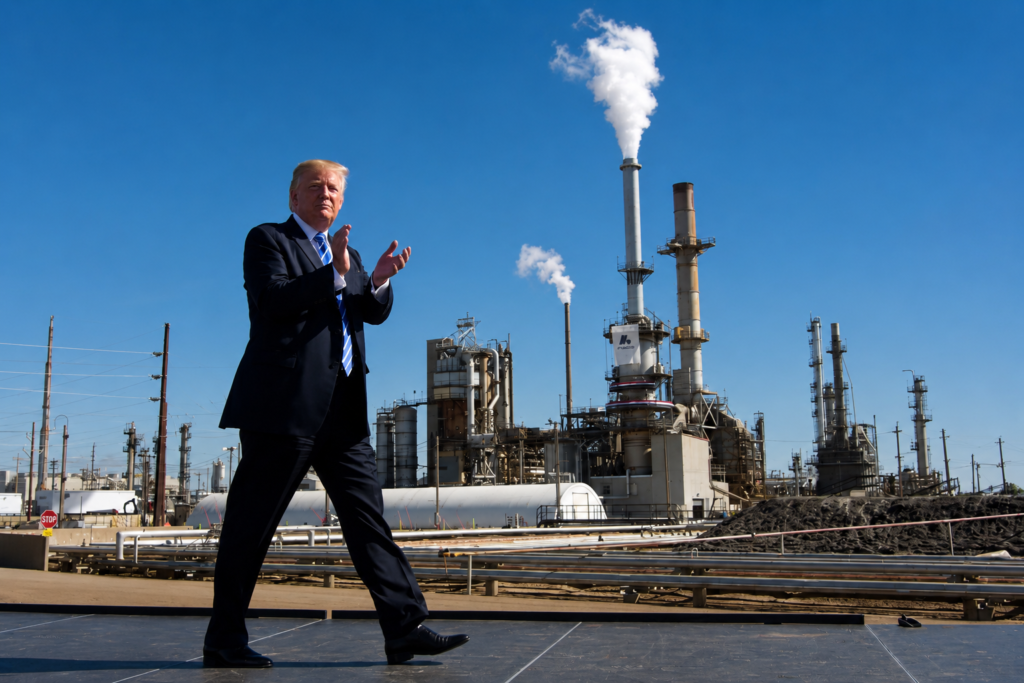
Financial markets reacted instantly after President Donald Trump said he would instruct U.S. forces to ease military operations against Iran if negotiations continue moving toward a broader peace framework.
Oil prices fell sharply within hours.


For investors, the message was simple: a lower risk of war means a lower risk to global energy supplies.
But the bigger question is whether cheaper oil can translate into lower inflation, political gains for the White House and greater stability across the Middle East.
Why Did Oil Prices Fall?
Markets had spent months pricing in the possibility that fighting between the United States and Iran could disrupt the Strait of Hormuz, through which roughly one-fifth of the world’s traded oil passes.
Trump’s suggestion that military operations could be scaled back reduced fears of:
- Disruptions to Gulf oil exports.
- Higher shipping insurance costs.
- Supply shortages.
- A wider regional war.
As geopolitical risk eased, traders sold oil futures, pushing prices lower.
What Does It Mean for Americans?
For U.S. consumers, lower oil prices could eventually filter through to:
- Cheaper gasoline.
- Lower transportation costs.
- Reduced airline fuel expenses.
- Slower inflation.
Energy prices influence nearly every sector of the American economy, from food delivery to manufacturing and retail.
If oil remains lower for an extended period, inflationary pressure could ease just as households continue struggling with the high cost of living.
A Political Win for Trump?
The timing is politically significant.
Trump has repeatedly argued that strong military pressure can force America’s rivals back to the negotiating table without dragging the country into another prolonged war.
If diplomacy succeeds while oil prices remain low, the administration could present it as evidence that its strategy delivered both security and economic benefits.
However, any renewed fighting could quickly reverse those gains.
What Does It Mean for the Middle East?
The impact extends well beyond Washington.
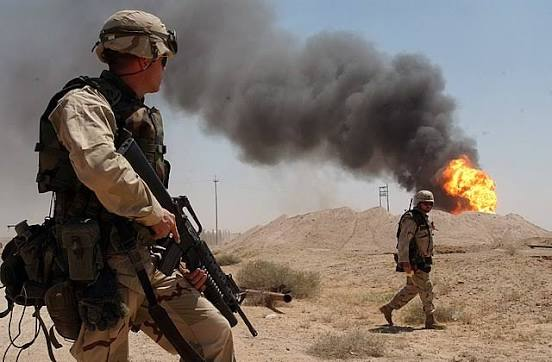
Lower military tensions could benefit countries across the region by:
- Reducing the immediate risk of a wider Gulf war.
- Improving maritime security.
- Encouraging investment.
- Lowering pressure on energy-exporting economies.
However, a sustained drop in oil prices also creates challenges for major producers whose national budgets depend heavily on petroleum revenue.
Countries such as Saudi Arabia, Iraq and other Gulf exporters generally benefit from stable markets but face reduced revenues when prices fall too sharply.
Can Diplomacy Hold?
That remains the biggest uncertainty.
Although Trump’s comments have eased market anxiety, negotiations between Washington and Tehran remain fragile.
Several issues—including Iran’s nuclear programme, regional proxy groups and long-term security guarantees—remain unresolved.
A single military incident in the Gulf could rapidly send oil prices climbing again.
The Bigger Economic Picture
Energy markets are often the first to react to geopolitical developments.
If the current diplomatic momentum continues:
- Inflation could moderate further.
- Central banks may face less pressure to keep interest rates high.
- Global economic confidence could improve.
- Consumers and businesses alike would benefit from lower energy costs.
If diplomacy collapses, the opposite could happen just as quickly.
Why It Matters
Trump’s comments did more than calm financial markets.
They highlighted the powerful link between geopolitics and the global economy.
Every decision made in Washington or Tehran now carries consequences far beyond the battlefield—affecting fuel prices, inflation, consumer spending, elections and economic growth on both sides of the Atlantic.
For Americans, the hope is simple: less war could mean lower prices.
For the Middle East, the stakes are even higher: successful diplomacy could prevent another devastating regional conflict while stabilizing one of the world’s most critical energy corridors.