
World | By Shahnoor Saqib
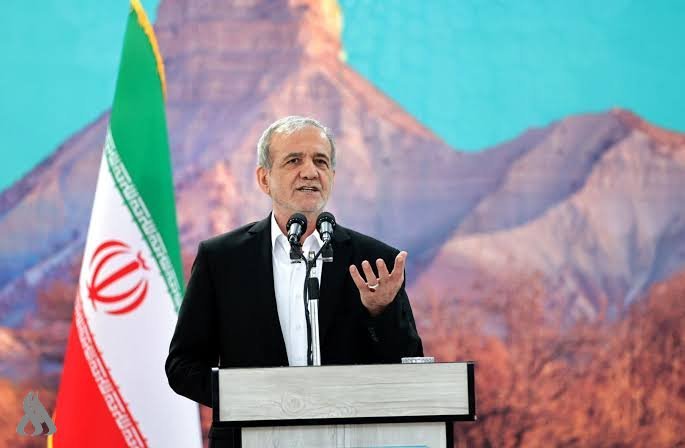
TEHRAN — Iranian President Masoud Pezeshkian has urged all sides to seize what he described as the best opportunity for diplomacy, saying “now is the best time for an agreement” as negotiations over the Strait of Hormuz and broader U.S.-Iran tensions gather momentum.
Pezeshkian’s remarks come amid reports that Iran and Oman are close to finalizing a framework on maritime security, while Washington has also expressed optimism that a breakthrough could be reached soon. Despite the progress, Tehran insists that any agreement must include broader commitments beyond Hormuz, including sanctions relief and security guarantees.


Pezeshkian Pushes for Diplomacy
Speaking as indirect negotiations continue, the Iranian president said the current moment presents a rare opportunity to reduce tensions and move toward a lasting settlement.
He stressed that diplomacy remains preferable to continued military confrontation, while reiterating that any deal must respect Iran’s sovereignty and be implemented on the basis of reciprocal commitments.
Hormuz Talks at a Critical Stage
Negotiators are working to secure an agreement aimed at restoring safer commercial navigation through the Strait of Hormuz, one of the world’s most important energy corridors.
However, Iranian officials have cautioned that a Hormuz arrangement alone will not fully reopen the waterway unless wider political and security issues are also resolved.
A Delicate Window for Peace
Recent weeks have seen a noticeable slowdown in direct military confrontation, creating space for renewed diplomacy.
Analysts say the coming days could determine whether both sides move toward a broader political settlement or return to another cycle of escalation.
Why It Matters
Pezeshkian’s appeal signals that Tehran believes diplomacy still has a realistic chance despite months of conflict.
If negotiations succeed, the outcome could help stabilize the Middle East, restore confidence in global energy markets and reduce pressure on oil prices. Failure, however, risks prolonging one of the region’s most volatile crises.