
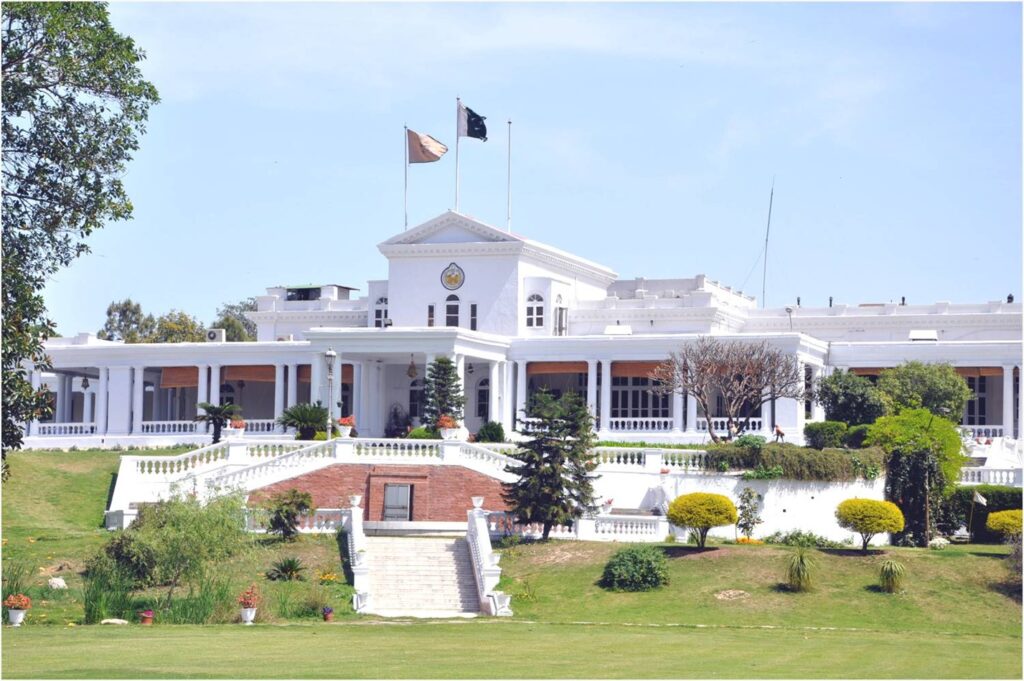
By Zobi Najeeb — The Changer
ISLAMABAD— Pakistan’s decision to impose emergency measures and governor’s rule in Khyber Pakhtunkhwa has opened a major constitutional confrontation, placing the limits of federal authority, provincial autonomy and democratic representation at the centre of an escalating political dispute.
The federal government maintains that extraordinary intervention was necessary because of deteriorating security conditions and what it describes as the former provincial administration’s failure to cooperate effectively in counterterrorism operations. Pakistan Tehreek-e-Insaf (PTI), which governed the province before the intervention, rejects those allegations and argues that the measures are politically motivated. The dispute is now moving into the courts, raising questions about how far Islamabad can intervene in the affairs of an elected provincial government.


President Asif Ali Zardari approved the emergency and governor’s rule on October 11 following advice from Prime Minister Shehbaz Sharif and recommendations from the federal cabinet. The measures invoke Articles 232 and 234 of Pakistan’s Constitution, which provide separate mechanisms for emergency powers and federal intervention when constitutional governance in a province cannot be maintained. The decision has transferred key executive responsibilities to the governor, while emergency arrangements have also been introduced in 12 districts.
Federal officials say the intervention is intended to restore effective governance and strengthen the response to militant violence in a province that shares a sensitive border with Afghanistan. Information Minister Attaullah Tarar has accused the previous provincial leadership of obstructing counterterrorism efforts, allegations that PTI denies. The competing accounts have made the justification for the intervention a central issue in the developing constitutional dispute.
Law Minister Azam Nazeer Tarar defended the decision on Tuesday, arguing that the Constitution permits the federal government and president to take extraordinary measures when circumstances require them. He also disputed suggestions that the action amounted to an unlawful removal of an elected government. His position contrasts with objections from opposition figures and legal petitioners who maintain that the federal authorities have exceeded the constitutional limits of their powers.
The legal challenge is already taking shape. A petition filed in the Peshawar High Court on Monday questioned the legality of the emergency and governor’s rule, arguing that the measures undermine provincial autonomy, fundamental rights and the democratic mandate. PTI officials have separately indicated plans to challenge the federal takeover, although the precise judicial route and outcome remain uncertain.
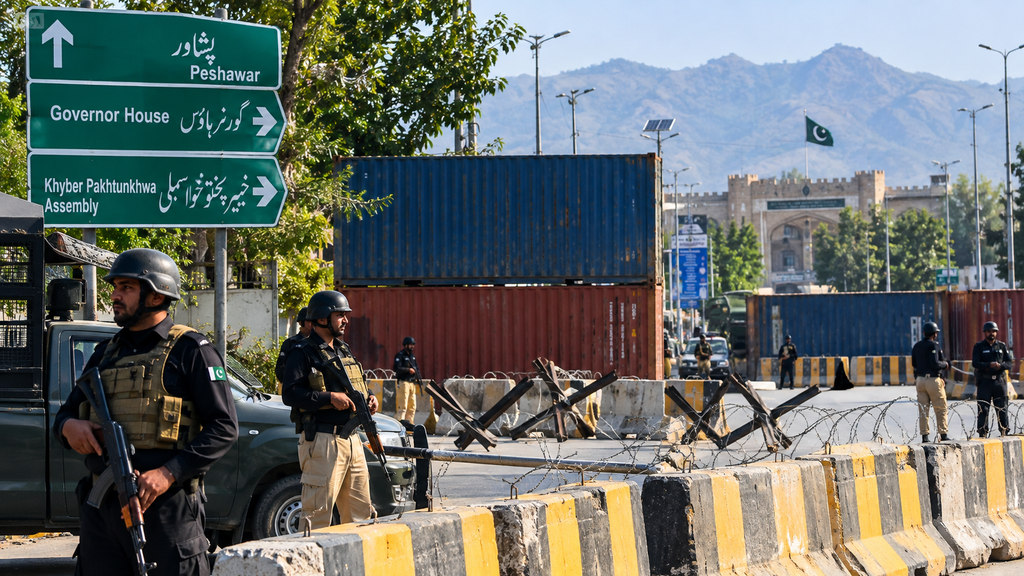
The constitutional controversy extends beyond the immediate dispute between the federal government and PTI. Pakistan’s federal system distributes political and administrative responsibilities between Islamabad and the provinces, making any suspension of ordinary provincial governance a significant test of institutional authority. The courts may therefore be asked to consider not only whether the necessary conditions existed for intervention, but also whether the scope and implementation of the measures comply with constitutional safeguards.
For residents of Khyber Pakhtunkhwa, the consequences are not limited to political institutions. Administrative continuity, public services, security operations and the ability to exercise fundamental rights will be important measures of how the emergency functions in practice. Schools and public transport services resumed in Peshawar on Tuesday after disruptions, although restrictions on public gatherings remained in place under Section 144.
The federal government has also established administrative arrangements to supervise provincial affairs during the emergency period. Such measures could improve coordination if they address genuine security and governance failures, but their effectiveness will depend on transparent decision-making, lawful implementation and the continued functioning of public institutions. Whether emergency powers can deliver lasting security improvements without deepening political divisions remains an unresolved question.
The confrontation comes amid continuing tensions surrounding imprisoned former Prime Minister Imran Khan and PTI’s efforts to mobilise political pressure for his release. The party maintains that the intervention is intended to weaken its political position, while federal authorities insist that security considerations, rather than partisan objectives, drove the decision. Neither interpretation alone establishes the legal validity of the emergency, which remains subject to constitutional scrutiny.
The next stage of the crisis will depend on judicial proceedings, parliamentary oversight and the federal administration’s ability to demonstrate that extraordinary powers are being exercised within lawful limits. Beyond the immediate struggle for control of Khyber Pakhtunkhwa, the outcome could influence how Pakistan balances national security responsibilities with provincial self-government during future emergencies.