
By Haris Saleem — The Changer
ISLAMABAD — Pakistan’s headline inflation slowed in September, but the relief visible in the national number is being undermined by a sharp shift in where households are paying more, with electricity, fuel and transport increasingly replacing food as the main pressure points in family budgets.
Consumer prices rose 10.3% from a year earlier in September, down from 11.1% in August, according to the Pakistan Bureau of Statistics. The decline would ordinarily suggest some easing in the cost-of-living crisis, but prices were still 1.3% higher than they had been only a month earlier. Inflation has therefore slowed in statistical terms without producing a broad fall in the actual price level confronting consumers.


The distinction is important because lower inflation does not mean goods and services have become cheaper. It means that, across the basket measured by the CPI, prices are increasing at a slower annual rate than before. After several years of cumulative price increases, even a significant decline in the inflation rate leaves households buying essentials from a much higher starting point.
September’s figures reveal an additional problem: Pakistan’s inflation burden is changing composition. Urban food inflation dropped to 8.1% from 12.1% in August, while rural food inflation fell even more sharply to 7.7% from 13.2%. At the same time, urban non-food inflation accelerated to 11.5% and rural non-food inflation climbed to 13.1%, meaning some of the expenses families have less ability to avoid were moving in the opposite direction.
Energy and mobility provide the clearest examples. National transport costs increased 5.75% in September alone and stood 27.43% above their level a year earlier, while housing, water, electricity, gas and other fuels rose 3.05% during the month and 12.39% year-on-year. Electricity charges jumped 15.28% month-on-month in urban areas, while motor fuel increased 10.76%.
The year-on-year comparisons are even more striking. PBS reported motor fuels were 39.70% more expensive than a year earlier and electricity charges were 32.46% higher, while liquefied hydrocarbons increased 53.98%. Doctor clinic fees were almost 16% higher and construction inputs rose more than 18%, demonstrating how inflationary pressure has spread beyond the supermarket into services, utilities and other unavoidable household expenses.
That helps explain an apparent contradiction in Pakistan’s economy: consumers can hear that inflation has fallen while seeing little improvement in the amount of money left at the end of the month. A family may save on chicken, tomatoes or some pulses compared with last year, but those savings can be overwhelmed by a larger electricity bill, higher commuting expenses, medical costs or the indirect effects of expensive fuel.
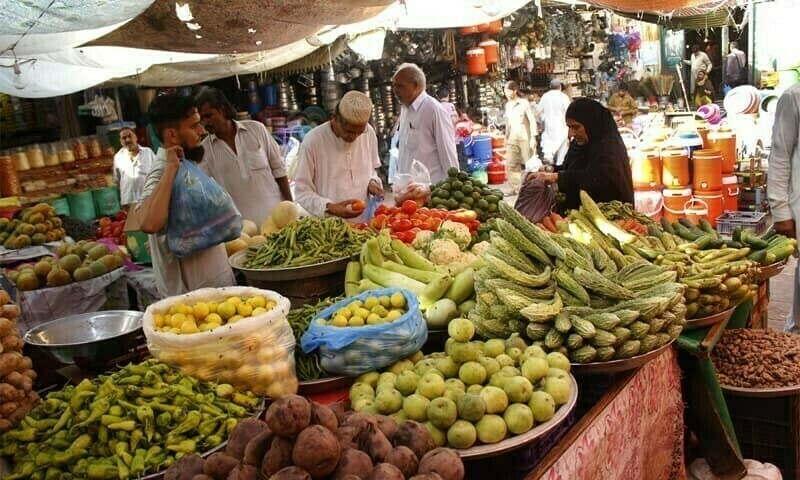
Food prices themselves also tell a more complicated story than the headline food-inflation decline suggests. Some important items became substantially cheaper year-on-year, including potatoes, sugar, chicken and eggs, but onions were 136.7% more expensive, wheat was up 37.46% and wheat flour 34.31%. Fresh milk, meat, vegetable ghee, fruits and several other frequently purchased products also remained more expensive than a year earlier.
For lower- and middle-income families, the distribution of inflation matters almost as much as its national average. Households do not purchase the CPI basket in identical proportions, and families spending a larger share of their income on electricity, transport, rent, food and healthcare can experience a substantially different cost-of-living reality from the headline number.
The problem becomes more pronounced when several essential costs rise simultaneously. A worker who needs transport to reach a job cannot easily respond to higher fuel prices by eliminating travel, while a household cannot indefinitely avoid electricity or healthcare expenditure. These categories therefore place pressure on disposable income even when consumers cut discretionary spending elsewhere.
Pakistan’s recent inflation history also means households are comparing today’s prices not simply with last month but with what the same income could purchase several years ago. Inflation measures the rate of change rather than reversing previous increases, so a period of slower inflation does not automatically restore purchasing power lost during earlier price surges. For consumers to experience meaningful improvement, income growth must eventually catch up with the accumulated increase in essential living costs.
The latest numbers also show why a single month’s headline CPI can obscure emerging risks. Wholesale prices increased 13.3% year-on-year in September, accelerating from 11.8% in August, even as consumer inflation slowed. Because wholesale movements can feed through supply chains with a lag, sustained increases in producer and distribution costs could make it harder for consumer inflation to continue falling.
Pakistan is also exposed to external energy shocks. Higher international oil prices can move rapidly through domestic fuel and transport costs and then affect the price of moving food and other goods across the country. The Finance Ministry had already identified food and energy as important inflation risks, and September’s transport and utility figures demonstrate how energy costs can reshape household inflation even when some food prices moderate.
The first three months of the current fiscal year reinforce that caution. Average national inflation for July through September was 10.20%, compared with the same period a year earlier, with rural inflation averaging 10.86% and urban inflation 9.76%. The September decline therefore represents moderation within an environment where the overall cost of living is still increasing at a substantial pace.
For policymakers, this changes what genuine inflation relief would look like. Bringing headline CPI down is important for economic stability, interest rates and household confidence, but consumers are unlikely to perceive a recovery if electricity, fuel, transport and other essential bills continue rising faster than their incomes. Stabilisation on paper and improvement in living standards are related, but they are not the same thing.
September’s data consequently tell two stories at once. Pakistan has achieved a modest slowdown in the annual inflation rate, helped substantially by softer food inflation, but the pressure has migrated toward expenses that households often have less freedom to avoid. Until that second trend changes, falling inflation may continue to look better in economic statistics than it feels at the kitchen table.