
The Changer Analysis | U.S. Politics | By Shahnoor Saqib
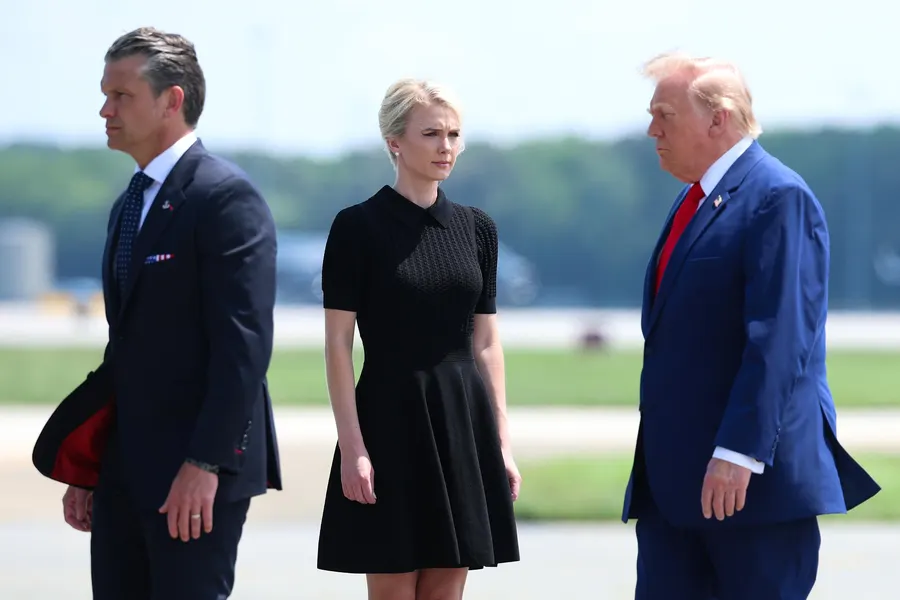
WASHINGTON — Natalie Harp is neither a cabinet secretary nor one of the Trump administration’s best-known political strategists, yet she has emerged as one of the people with unusually close day-to-day access to President Donald Trump. Officially serving as a White House aide, Harp frequently accompanies Trump, works close to him during meetings and helps retrieve and deliver information he wants to see — a role that has earned her the unusual nickname “the human printer.”
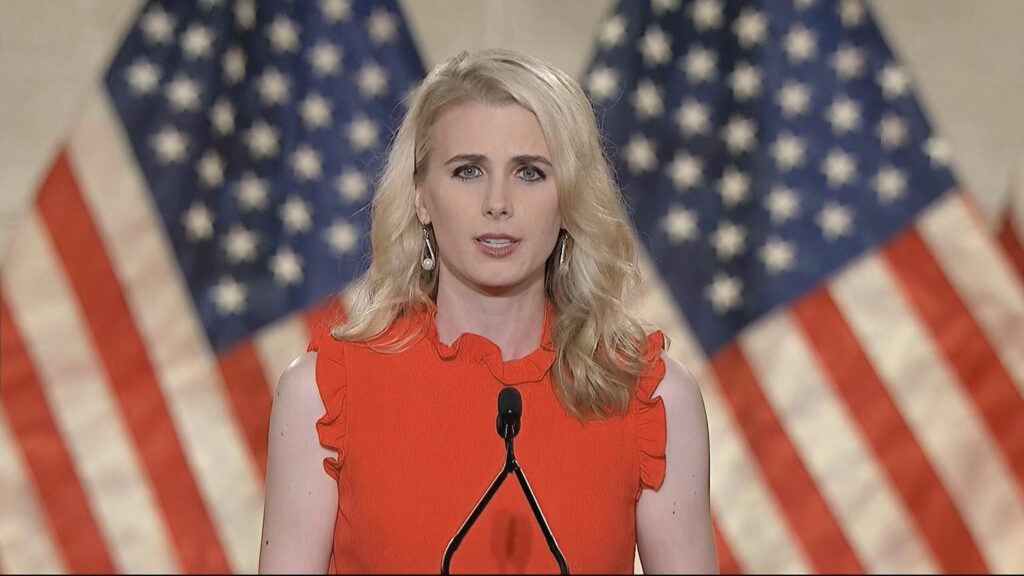
Harp’s path into Trump’s inner circle was anything but conventional. A California native who later earned an MBA from Liberty University, she first attracted national attention after publicly crediting Trump’s “Right to Try” legislation with helping her gain access to experimental treatment while battling cancer. She appeared on conservative television and spoke at the 2020 Republican National Convention, later working at One America News Network before joining Trump’s political operation. What began as public advocacy gradually developed into extraordinary proximity to the president.


Why the ‘Human Printer’ Matters
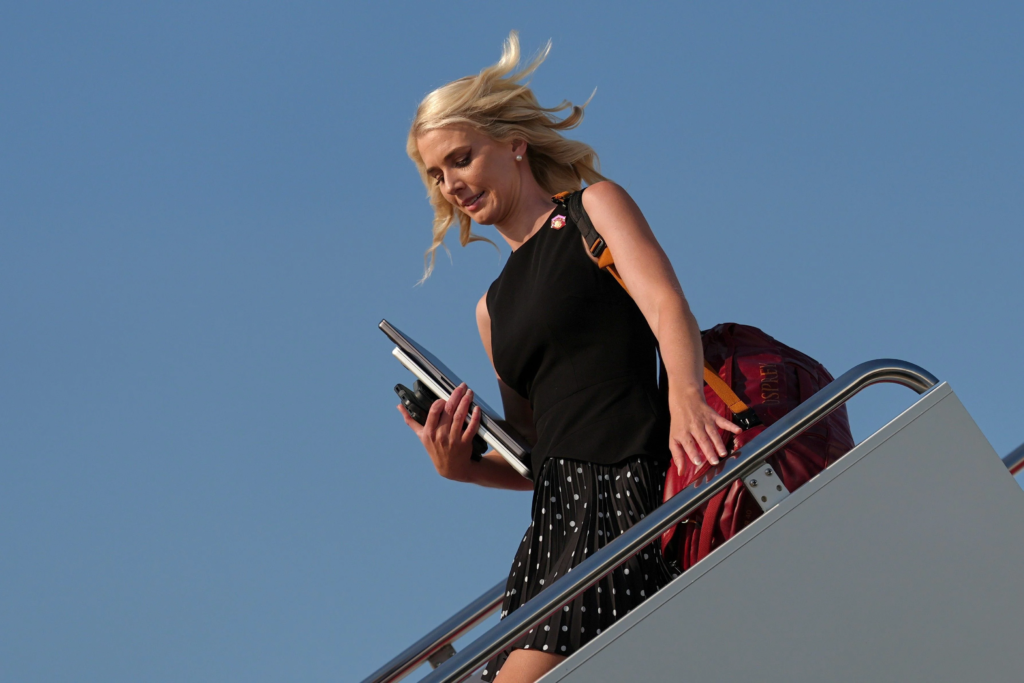
The nickname comes from Harp’s practice of staying near Trump with a laptop and portable printer, allowing her to quickly locate and print articles, polling, social-media posts and other information the president requests. She has also been associated with the operation of Trump’s Truth Social account. Her significance, however, lies less in the printer itself than in her position inside Trump’s information flow. In any presidency, the people who determine what reaches the president — and how quickly — can acquire influence that is not reflected in their formal job titles.
That distinction is especially important in Trump’s political system. Unlike presidents who rely heavily on formal briefing structures, Trump has long consumed information through television, newspaper articles, social media, advisers and people he personally trusts. Harp fits naturally into that environment: she can rapidly turn something Trump hears about into information physically placed in front of him. There is no public evidence establishing that she independently determines major policy, and access should not automatically be confused with decision-making authority. But her proximity makes her role worth examining.
Loyalty, Access and Trump’s Management Style
Harp has also attracted attention because of accounts describing her intense personal loyalty to Trump. Journalists have reported on unusually supportive communications between the aide and the president, while the White House has defended her as a dedicated member of Trump’s staff. Those reports should not be stretched into unsupported speculation about their personal relationship. What is established is that Harp has developed a level of professional access that many more senior officials do not possess.
Her rise consequently tells a larger story about how Trump structures power around himself. Traditional Washington hierarchies emphasise title, institutional experience and position on an organisational chart. Trump has frequently placed enormous value on trust, availability and loyalty. That can allow aides without cabinet-level titles to become highly important simply because they are continuously present when the president receives information and makes decisions.
The Changer Analysis
The most revealing question about Natalie Harp is therefore not whether she is literally Trump’s “right-hand woman.” It is how much influence can come from proximity to presidential information. If Harp simply retrieves material specifically requested by Trump, her function is largely operational. If she exercises substantial discretion over what information reaches him, however, the political significance of her role becomes considerably greater. Public reporting establishes the extraordinary access more clearly than it establishes the extent of that independent discretion, and that distinction is essential.
Harp’s story ultimately illustrates something fundamental about Trump’s White House: formal rank is not always the best measure of influence. An aide who can remain beside the president, understand what information he wants and deliver it almost immediately can occupy an important position without appearing anywhere near the top of a conventional government hierarchy. In Trump’s political world, proximity creates access, loyalty strengthens proximity — and access itself can become a form of power.