
Explainer | By Shahzaib Saqib
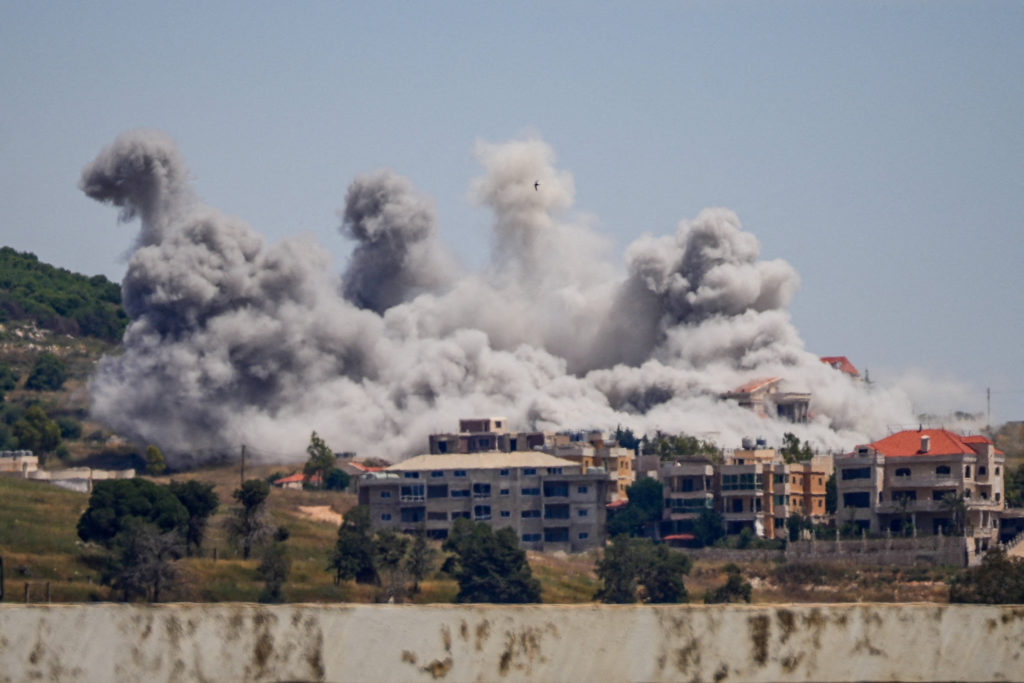
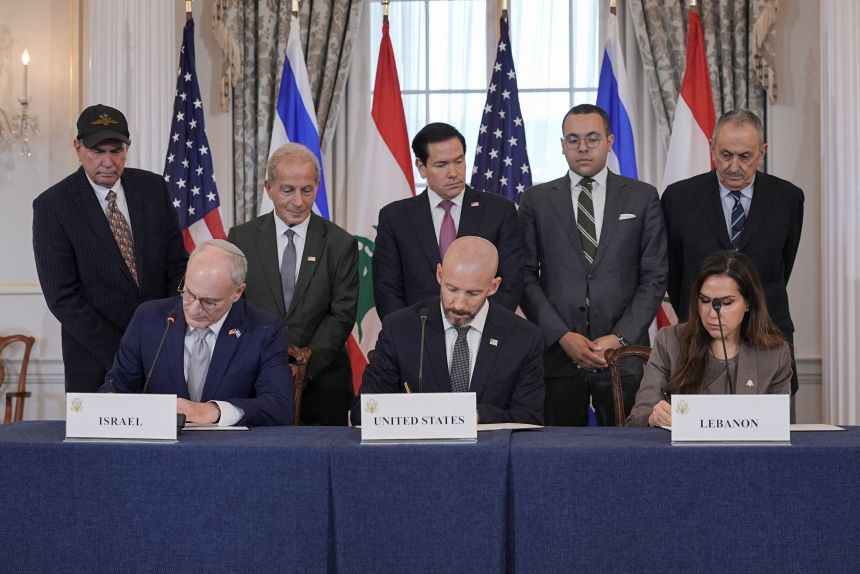
ROME — Israel and Lebanon have begun a seventh round of United States-brokered negotiations in Rome, but the talks are opening under the shadow of continued Israeli military operations in southern Lebanon.
The latest round is expected to focus less on a grand peace declaration and more on whether the two sides can turn an already agreed framework into measurable steps on the ground: Israeli withdrawals, Lebanese army deployments, Hezbollah’s weapons and the return of displaced civilians.


The negotiations are scheduled to run from August 4 to August 6, with technical delegations working on implementation of the framework reached earlier this summer.
What Is the Main Goal of the Talks?
The central objective is to create a workable sequence for reducing hostilities in southern Lebanon.
Under the framework, Israel would withdraw from selected areas while the Lebanese Armed Forces take control and prevent Hezbollah from maintaining an armed presence there. The process began with limited “pilot zones,” but implementation has been slow and politically contentious.
The talks are therefore expected to examine:
- The next areas from which Israeli forces could withdraw.
- Deployment and authority of the Lebanese army.
- Verification of Hezbollah’s removal from designated zones.
- Security guarantees along the border.
- Reconstruction and the return of displaced residents.
Why Are the ‘Pilot Zones’ Important?
The pilot zones are intended to test whether the broader agreement can work before it is expanded across southern Lebanon.
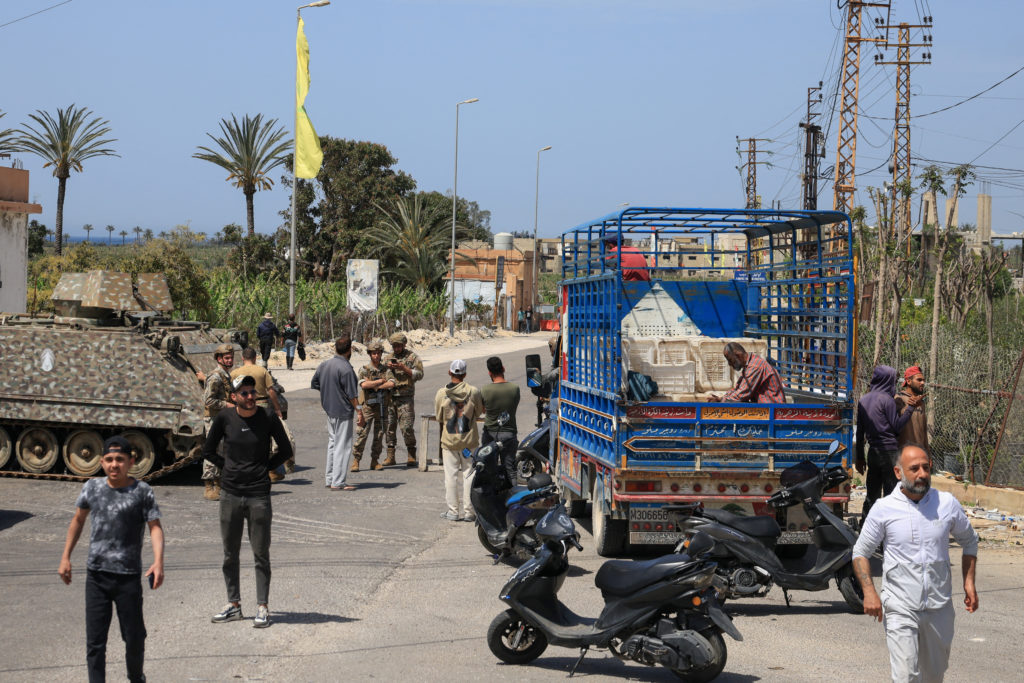
In those areas, the Lebanese army is supposed to assume security responsibility as Israeli forces pull back. But progress has been difficult because Israeli troops remain nearby, homes and infrastructure have been extensively damaged, and Hezbollah has not formally accepted the disarmament arrangement.
Only limited numbers of residents have returned to some communities because many houses remain uninhabitable and local people still fear renewed fighting.
Will Israel Fully Withdraw From Southern Lebanon?
Not immediately.
Israel has linked a complete withdrawal to the removal of Hezbollah’s military capabilities and what it considers a verified end to the security threat from southern Lebanon. The existing framework therefore envisages a phased rather than unconditional withdrawal.
Lebanon, by contrast, says Israeli troops must leave Lebanese territory and that continued occupation undermines the credibility of the negotiating process.
That disagreement remains one of the most difficult issues on the agenda.
What Happens to Hezbollah’s Weapons?
This may be the most politically explosive question.
The framework calls for the Lebanese Armed Forces to establish state control in the south and begin a process that would remove Hezbollah’s weapons from designated areas. Hezbollah, however, was not itself a signatory to the agreement and has resisted demands for disarmament.
For the Lebanese government, attempting to disarm Hezbollah by force could create serious internal instability. For Israel, allowing the group to retain its military infrastructure would make a full withdrawal unacceptable.
The negotiations must therefore bridge a gap that is not merely diplomatic—it reaches into Lebanon’s internal balance of power.
Why Are the Talks Happening While Israel Is Still Striking Lebanon?
Israel argues that it must continue operations against Hezbollah positions and infrastructure until security arrangements are fully implemented.
Lebanese officials say the strikes, demolitions and continued occupation directly contradict the spirit of negotiations and make it harder to persuade communities that the framework can protect them.
Ahead of the latest talks, Israeli demolition operations near the occupied Beaufort Castle area reportedly caused powerful blasts and widespread fear in nearby communities. Lebanese officials condemned the activity as incompatible with de-escalation.
The contradiction is now central to the talks: both sides are negotiating an end to hostilities while military operations continue.
What Role Is the United States Playing?
Washington is acting as the principal mediator and guarantor of the framework.
The United States is helping coordinate Israeli withdrawals, Lebanese military deployments and international support for reconstruction. It is also expected to remain involved in monitoring implementation and resolving disputes between the two sides.
American officials have presented the process as an opportunity to move Israel and Lebanon toward a more durable security arrangement, but the United States cannot directly compel Hezbollah to disarm or ensure that every ceasefire violation stops.
Could These Talks Produce a Peace Agreement?
A comprehensive peace treaty remains possible, but it is not the immediate expectation.
The current priority is narrower:
- Reduce attacks.
- Expand Lebanese state control.
- Secure phased Israeli withdrawals.
- Create conditions for reconstruction and civilian returns.
Only after those steps succeed would broader issues—such as formally ending the state of war and establishing normal relations—become realistic.
Why It Matters
The seventh round is a test of whether diplomacy can produce changes that people in southern Lebanon can actually see.
A signed framework means little if Israeli troops remain, airstrikes continue, Hezbollah stays armed and displaced families cannot safely return home.
Success in Rome would not end the conflict overnight. But agreement on a credible withdrawal and security mechanism could prevent another major Israel-Hezbollah war.
Failure would strengthen the view that negotiations are being used to manage the conflict—not resolve it.