
By Jahanzaib Saqib
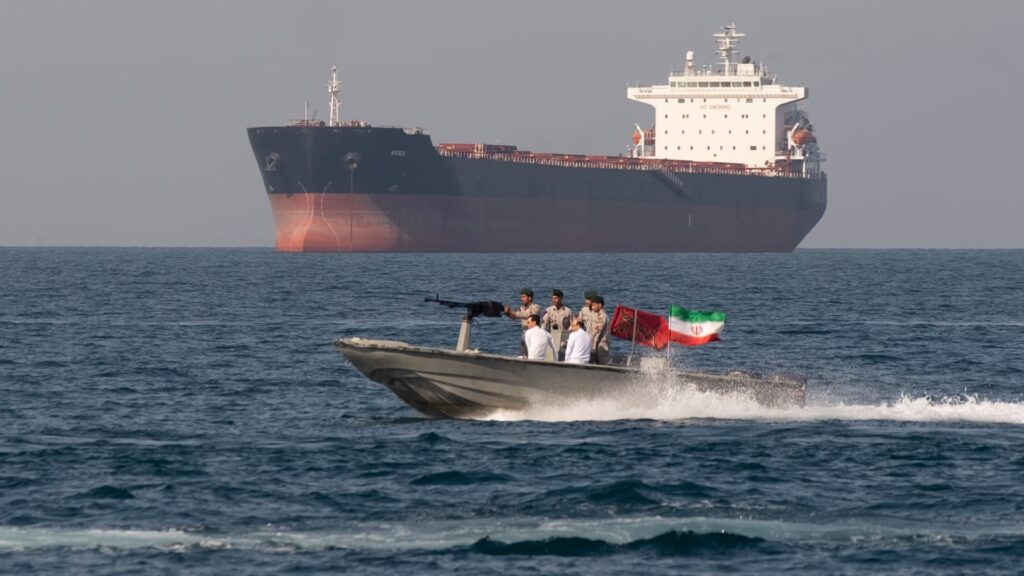
The negotiations over reopening the Strait of Hormuz appeared to be moving toward a breakthrough only days ago. Now, new demands from both Iran and the United States have complicated the talks, pushed oil prices higher and raised doubts over how quickly one of the world’s most important shipping routes can return to normal.
Iran says the strait will remain restricted unless Washington accepts Tehran’s conditions for ending the wider conflict. President Donald Trump, meanwhile, has introduced a major demand of his own: compensation from Iran for what he describes as decades of damage inflicted on the United States.


The result is a negotiation that is no longer simply about opening Hormuz. It is becoming tied to the terms for ending the broader US-Iran confrontation.
What does Iran want?
Tehran has linked reopening the strait to wider concessions from Washington.
Iranian officials have said the United States must change its behavior and meet Iranian conditions before normal navigation can resume. Earlier negotiations had produced progress on a technical framework — including shipping arrangements — but Tehran has made clear that such an agreement by itself would not automatically reopen Hormuz.
Iran’s demands have included an end to military attacks and the US blockade, sanctions relief, security guarantees and compensation connected to the war.
That distinction is crucial: a maritime agreement and an agreement to actually reopen the strait are no longer necessarily the same thing.
What has Trump added to the negotiations?
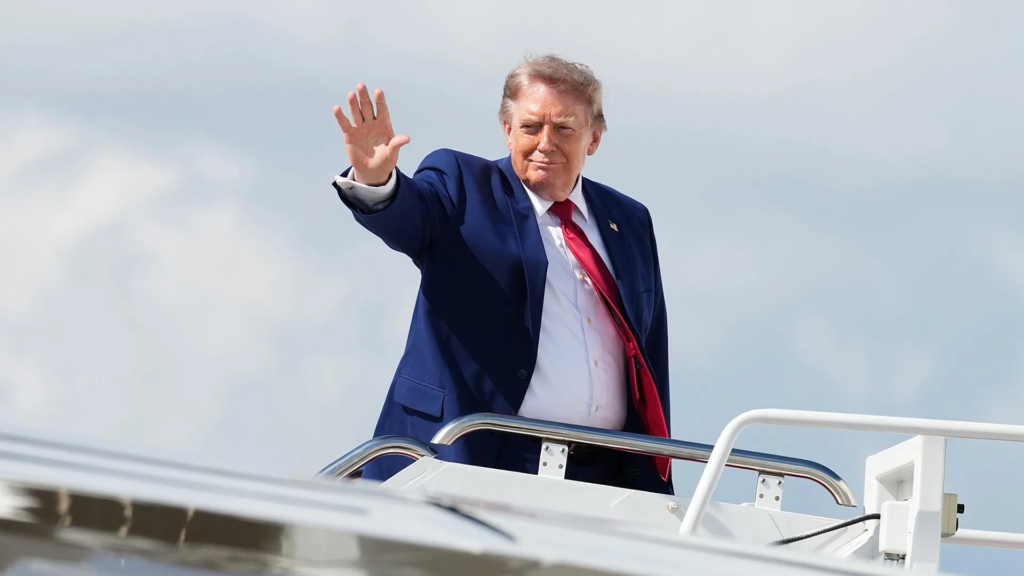
Trump has now demanded compensation from Tehran for what he says are 50 years of damages caused by Iran.
That adds another politically difficult issue to negotiations already burdened by sanctions, military operations, security guarantees and competing demands for reparations.
Washington also wants freedom of navigation through Hormuz and an arrangement that prevents Iran from using control over the waterway as leverage in future confrontations.
Earlier proposals reportedly contemplated giving Iran a significant role in managing inbound traffic through the strait — potentially a major concession by Washington — illustrating just how complex the negotiations have become.
Why did oil prices jump?
Because Hormuz is not simply a regional shipping lane. It is one of the most strategically important energy corridors on Earth.
Markets had begun pricing in the possibility that an agreement could restore more normal oil flows. When Iran and the United States instead introduced competing compensation demands, expectations of a rapid reopening weakened.
Oil prices consequently settled about 5% higher on Monday. Brent crude settled at $88.91 a barrel, while US crude reached $83.20, with prices continuing higher as doubts about an agreement persisted.
The market message is straightforward: the longer Hormuz remains disrupted, the greater the risk premium on global energy supplies.
Does this mean the negotiations have collapsed?
No.
That is an important distinction.
Talks are continuing, and intermediaries remain involved. Pakistan has also stepped up its diplomatic engagement, with Interior Minister Mohsin Naqvi visiting Tehran as efforts continue to bridge differences between the sides.
But the negotiating environment has become substantially more difficult.
What appeared to be a relatively focused arrangement over shipping is increasingly connected to much larger questions: sanctions, compensation, military operations, security guarantees and the future relationship between Washington and Tehran.
Why can’t they simply reopen Hormuz first?
Because the strait has become Iran’s most powerful bargaining instrument.
Reopening it before securing concessions would mean Tehran surrendering much of that leverage. Washington, conversely, does not want normal international shipping through one of the world’s most important waterways to depend permanently on Iranian political conditions.
That creates the central contradiction of the negotiations:
Iran wants concessions before fully reopening Hormuz. Washington wants reliable access to Hormuz without accepting conditions it considers unacceptable.
Until that gap narrows, even a technically completed maritime agreement may not be enough.
What happens if talks fail?
The consequences would reach far beyond Iran and the United States.
Prolonged disruption could keep upward pressure on crude oil and LNG prices, raise transportation and manufacturing costs and complicate efforts by governments and central banks to control inflation.
Energy-importing economies would be particularly exposed.
There is also a military risk. Continued maritime incidents alongside stalled diplomacy could create another cycle in which an attack produces retaliation, which then makes negotiations even harder. A US military encounter with a cargo vessel on Tuesday illustrated how fragile the situation remains.
The Bigger Picture
The Hormuz negotiations have effectively become a test of whether the United States and Iran can turn a narrow maritime compromise into something approaching a broader political settlement.
Both governments have reasons to reach an agreement. Iran wants economic and security concessions; Washington wants the strait reopened and regional hostilities reduced.
But both also want to avoid appearing to concede under pressure.
That explains the apparent contradiction surrounding the talks: diplomacy remains alive, but every new condition makes the final deal harder to reach.
For global markets, the equation is equally clear. The closer Washington and Tehran move toward agreement, the more pressure could come off energy prices. The further they move apart, the more expensive the Hormuz crisis could become.