
By Sadaf Sundas Riaz | The Changer
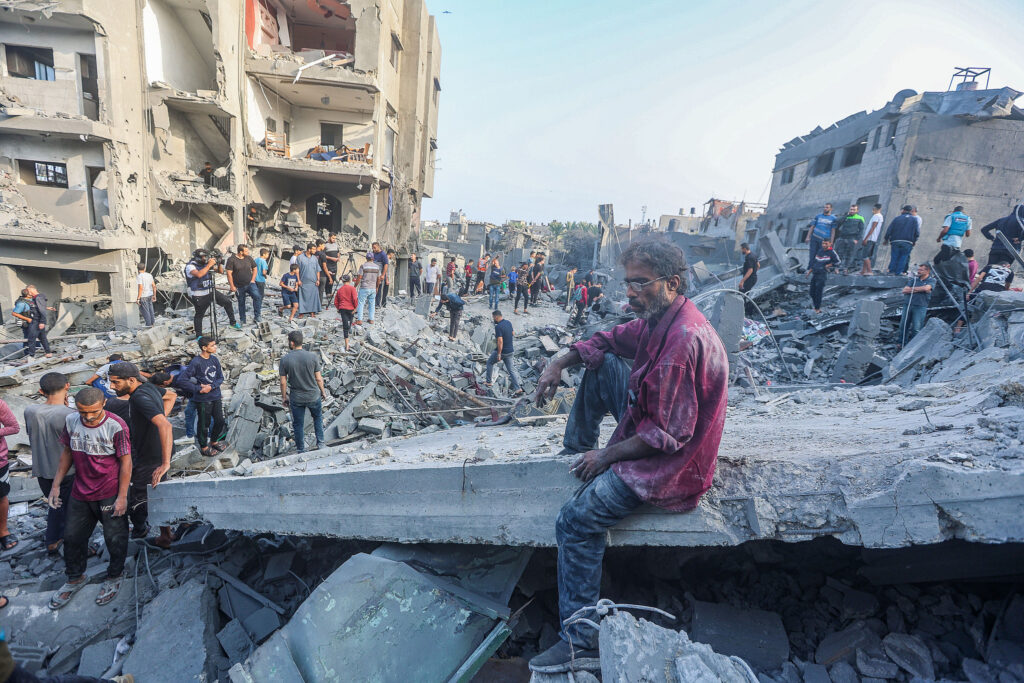
GAZA CITY — At least 21 Palestinians were killed when a six-storey residential building collapsed in Gaza City on Wednesday, highlighting a growing danger for families living inside structures weakened during the war as reconstruction remains stalled and safer shelter is scarce. The Al Saada building in western Gaza City had previously been damaged during the conflict and was housing displaced families when it collapsed overnight, according to local officials. Gaza health authorities said 11 children were among those killed and at least 14 other people were injured.
The cause of the collapse was not immediately established, but the building had sustained previous war damage, making the incident part of a broader problem facing Palestinians who have returned to or remained in structurally compromised homes. Gaza Civil Defence officials said families had been staying in the building despite its condition because they had few alternatives, underscoring how displacement and the shortage of habitable housing are forcing residents to choose between tents, overcrowded shelters and damaged buildings.


The danger extends well beyond the site of Wednesday’s collapse. Large areas of Gaza’s housing stock were destroyed or damaged during the war, leaving families living among unstable structures and extensive rubble even after the intensity of fighting declined. Reconstruction has moved slowly, while restrictions on construction materials, heavy machinery and other equipment have complicated efforts to inspect unsafe buildings, demolish those at risk of collapse and provide replacement housing.
Rescue teams searching the Al Saada building faced some of the same shortages that have complicated emergency operations throughout Gaza. Heavy machinery remains limited, making it difficult to remove large sections of concrete quickly when buildings collapse, while humanitarian officials have repeatedly called for greater access to specialised rescue equipment, fuel and machinery needed to clear rubble and recover people trapped underneath it.
The United Nations has warned that damaged housing represents an continuing humanitarian risk as displaced Palestinians move back into areas devastated during the conflict. The problem is particularly acute because a building that remains standing can still have weakened foundations, fractured concrete or damaged structural supports that are difficult for residents to assess without professional inspections.
Wednesday’s deaths therefore illustrate a less visible phase of Gaza’s crisis. A reduction in bombardment can lower the immediate risk from air strikes, but it does not remove the physical destruction already left behind. Clearing unexploded ordnance, inspecting damaged buildings, removing millions of tonnes of rubble and constructing safe housing are necessary before large numbers of displaced Palestinians can return without facing another form of danger.
The collapse also comes as humanitarian agencies continue to press for faster reconstruction and greater access to Gaza. Israel has linked major elements of reconstruction to wider security arrangements surrounding Hamas, while Palestinian officials and international aid organisations have argued that delays are leaving civilians exposed to deteriorating living conditions. The competing demands have left reconstruction tied to unresolved political and security negotiations even as damaged infrastructure continues to deteriorate.
For Gaza’s displaced families, that delay has immediate consequences. People who survived the fighting can still face deadly risks from buildings weakened months or years earlier, while emergency teams lack some of the equipment required to respond effectively when those structures fail.
The collapse of the Al Saada building is therefore more than another entry in Gaza’s casualty toll. It demonstrates how the destruction caused during the war can continue taking lives long after the attack that originally damaged a building has ended — and why reconstruction, structural assessment and safe housing have become part of Gaza’s immediate humanitarian emergency rather than simply its long-term recovery.