
Analysis | By Shahnoor Saqib
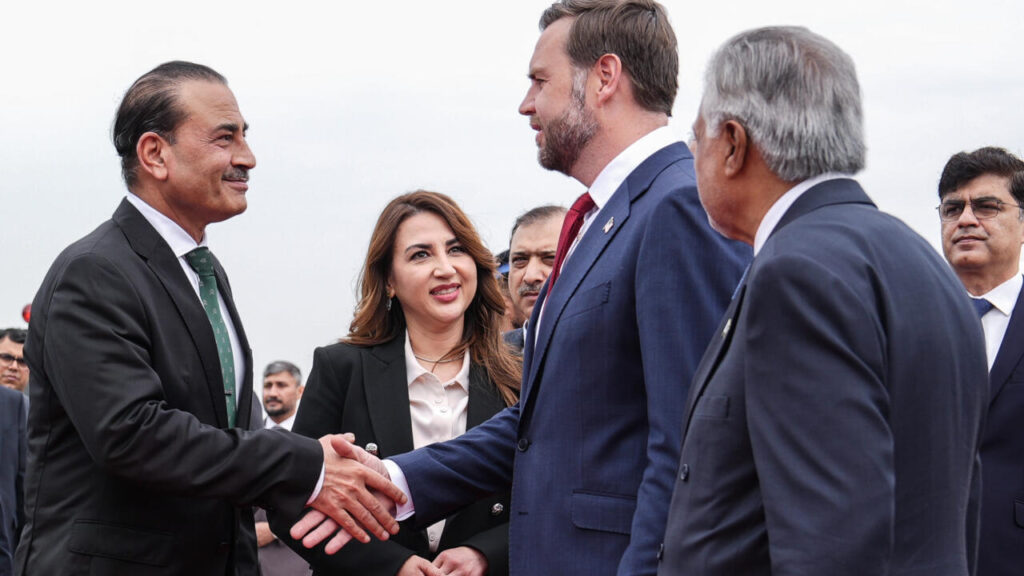
ISLAMABAD — Pakistan has unexpectedly emerged as one of the few countries capable of keeping communication alive between the United States and Iran. But with repeated ceasefire failures, fresh military strikes and deep political mistrust, Islamabad faces perhaps its most difficult diplomatic challenge in decades.
The question is no longer whether Pakistan can host talks.


The real question is whether Pakistan can convince two adversaries that no longer trust each other to keep talking.
Pakistan’s Diplomatic Gamble
Pakistan’s role has expanded beyond traditional regional diplomacy.
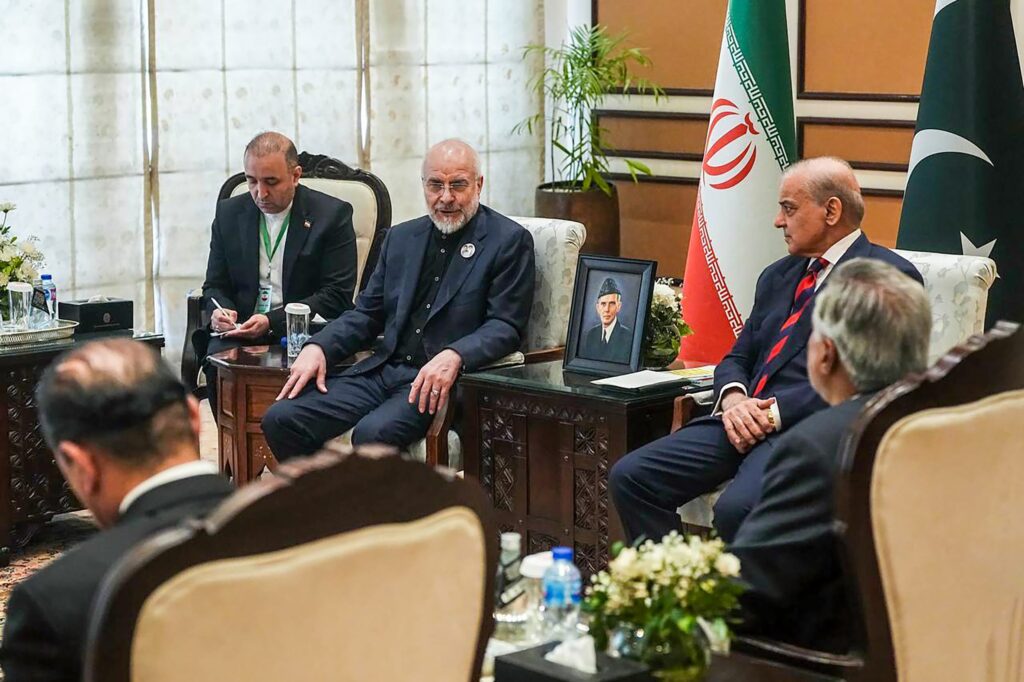
After facilitating direct contacts between U.S. and Iranian officials, Islamabad has positioned itself as a neutral bridge at a time when many diplomatic channels have either collapsed or become politically toxic.
Unlike Gulf rivals or Western capitals, Pakistan maintains working relations with both Washington and Tehran while avoiding direct involvement in the conflict.
That balance has given Islamabad a rare diplomatic opportunity—but also enormous responsibility.
The Biggest Obstacle Is No Longer Military
Ironically, the greatest challenge today is not missiles.
It is trust.
Months of negotiations have been interrupted by:
- Repeated ceasefire violations.
- Fresh U.S. military operations.
- Iranian retaliatory attacks.
- Escalating rhetoric from both capitals.
Every new exchange of fire makes diplomats’ jobs harder.
Even when negotiations resume, both sides increasingly question whether agreements will survive beyond the next military incident.
Why Pakistan Is Different
Pakistan enjoys advantages few mediators possess.
It has:
- Strategic security ties with the United States.
- A long border and diplomatic relationship with Iran.
- Strong relations with China and Gulf states.
- Growing credibility as a regional diplomatic actor.
This allows Islamabad to communicate with all major stakeholders without appearing fully aligned with any single bloc.
That neutrality could become Pakistan’s greatest diplomatic asset.
What’s at Stake for Washington?
For the United States, successful diplomacy would mean:
- Preventing another prolonged Middle East war.
- Protecting shipping through the Strait of Hormuz.
- Stabilizing global energy markets.
- Reducing pressure on inflation and fuel prices.
- Avoiding another costly military commitment.
Every failed negotiation increases both political and economic costs for Washington.
What’s at Stake for Iran?
For Tehran, negotiations offer a chance to:
- Reduce military pressure.
- Ease regional isolation.
- Improve economic prospects.
- Lower the risk of broader conflict.
- Preserve strategic influence without direct confrontation.
Yet Iranian leaders remain deeply skeptical after years of sanctions, military pressure and failed diplomatic initiatives.
Pakistan’s Biggest Test
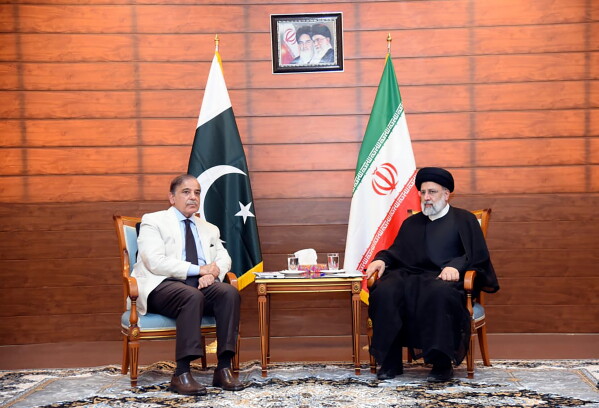
Hosting negotiations is one thing.
Maintaining momentum after each crisis is another.
Pakistan now faces three simultaneous challenges:
- Keeping communication channels open.
- Preventing diplomatic collapse after military incidents.
- Convincing both governments that dialogue still serves their interests.
That becomes increasingly difficult every time new missiles are launched.
Could Pakistan Become a Permanent Mediator?
If Islamabad succeeds in helping produce even a limited agreement, it could significantly enhance Pakistan’s international diplomatic standing.
The country would strengthen its reputation as a regional problem-solver capable of engaging rivals that refuse to speak directly to one another.
Failure, however, would not necessarily reflect Pakistan’s diplomacy—but rather the depth of mistrust between Washington and Tehran.
Why It Matters
The future of U.S.-Iran diplomacy may depend less on spectacular peace summits than on quiet conversations behind closed doors.
Pakistan’s role is no longer simply to host meetings.
Its real challenge is preserving dialogue when both sides are increasingly tempted to return to confrontation.
In today’s Middle East, keeping adversaries talking may prove as important as reaching an agreement itself.