
By Saqib S. Qureshi
TEHRAN — Iran is pushing the Strait of Hormuz to the center of negotiations with the United States while leaving the return of international nuclear inspectors unresolved, exposing a widening difference over what must come first in efforts to secure a broader settlement.
Foreign Ministry spokesman Esmaeil Baqaei said Sunday that Iran’s senior leadership had not discussed allowing International Atomic Energy Agency inspectors to return. He said Washington’s latest proposal remained heavily focused on Iran’s nuclear program, while Tehran wants negotiations to address security in the Strait of Hormuz and measures it says the United States must take there.


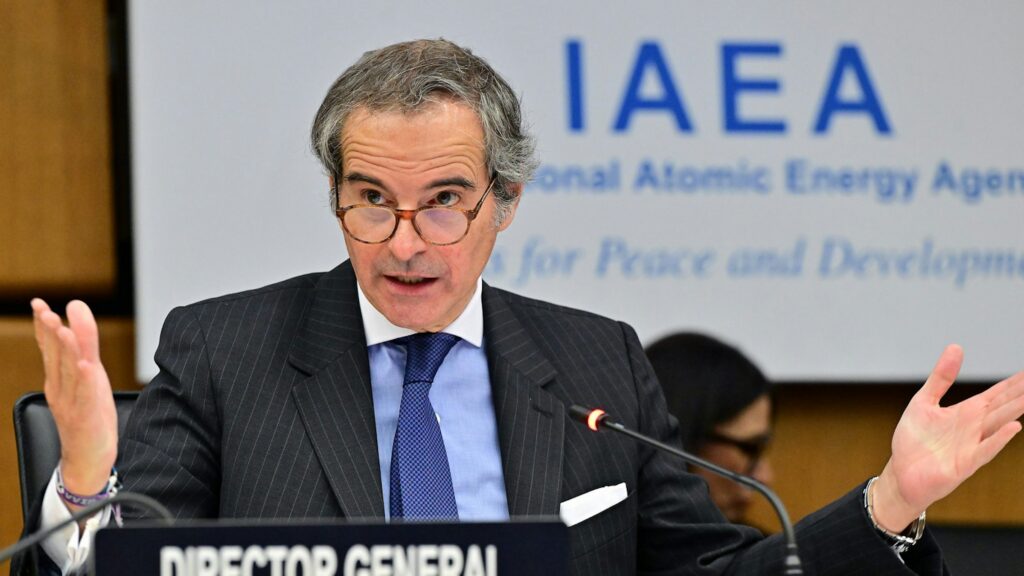
The statement carries added significance because the question of nuclear inspections has shadowed the diplomatic process for months. In June, U.S. Vice President JD Vance publicly said Iran had agreed to invite IAEA inspectors back, describing the development as a major step toward a final agreement. Iranian accounts of those negotiations subsequently challenged the extent of any such commitment, leaving the two sides with sharply different public descriptions of what had actually been agreed.
Sunday’s comments suggest that disagreement was never fully resolved. Rather than announcing a timetable for renewed inspections, Tehran is now emphasizing that the issue has not been decided at the highest level and is directing attention toward conditions surrounding the Strait of Hormuz.
Baqaei said restoring security to the strategic waterway would require specific American actions. Iran wants Washington to stop what Tehran describes as interference with Iranian commercial shipping, address sanctions and end other measures it considers interventionist.
That approach places the sequencing of a potential settlement at the heart of the negotiations. Washington has continued to emphasize nuclear restrictions and international verification, while Tehran is signaling that maritime security, sanctions and freedom of commercial shipping cannot be treated as secondary issues.
The Strait of Hormuz gives that dispute consequences far beyond the negotiating room. The narrow waterway is a critical artery for international energy shipments, meaning prolonged disruption can affect oil and gas markets and the economic interests of Gulf producers and major Asian importers.
Iranian parliament speaker Mohammad Bagher Ghalibaf reinforced Tehran’s harder position on Sunday, saying the strait would remain closed until conditions Iran says were established under an earlier understanding are fulfilled. His remarks increase the pressure surrounding negotiations by linking progress in diplomacy directly to one of the world’s most strategically important shipping routes.
Baqaei also said the latest American proposal was broadly similar to previous offers and that Iran would examine some details before communicating additional points. That indicates diplomatic contacts have not collapsed, but also shows that the sides remain divided over the architecture of a final agreement.
The dispute over IAEA access could prove particularly difficult. International inspections are central to independently verifying Iran’s nuclear activities, making renewed access important to any durable nuclear arrangement. Tehran, however, appears unwilling to allow the inspection issue alone to define negotiations while its wider security and economic demands remain unsettled.
The current positions therefore point to two competing negotiating sequences. The United States is seeking nuclear assurances and verification as a central element of an agreement, while Iran is trying to make Hormuz, sanctions and commercial shipping part of the price of a broader settlement.
That distinction also helps explain why the latest Iranian statement matters beyond whether inspectors return immediately. Months after Washington portrayed renewed IAEA access as an early diplomatic breakthrough, Tehran is still saying no final decision has been made.
The next test will be whether mediators can bridge those competing priorities — or whether the unresolved inspection question and Iran’s Hormuz conditions become interconnected bargaining points in a larger settlement.