
By Uzair Saleem | The Changer
ISLAMABAD — Pakistan raised petrol and high-speed diesel prices on Wednesday as volatility in international oil markets again filtered through to consumers, pushing petrol to Rs391.22 per litre and adding to transport and household costs already elevated by months of Middle East supply disruption. Petrol was increased by Rs6.88 per litre while high-speed diesel rose by Rs5.62 to Rs421.45 per litre, with the revised prices taking effect on September 17.
The Oil and Gas Regulatory Authority said the latest revision primarily reflected higher petrol and diesel prices in international markets, along with premiums and other pricing factors. Pakistan has become particularly exposed to rapid changes in global petroleum markets since renewed Middle East hostilities disrupted traditional supply routes and pushed the government towards more frequent adjustments in domestic prices.


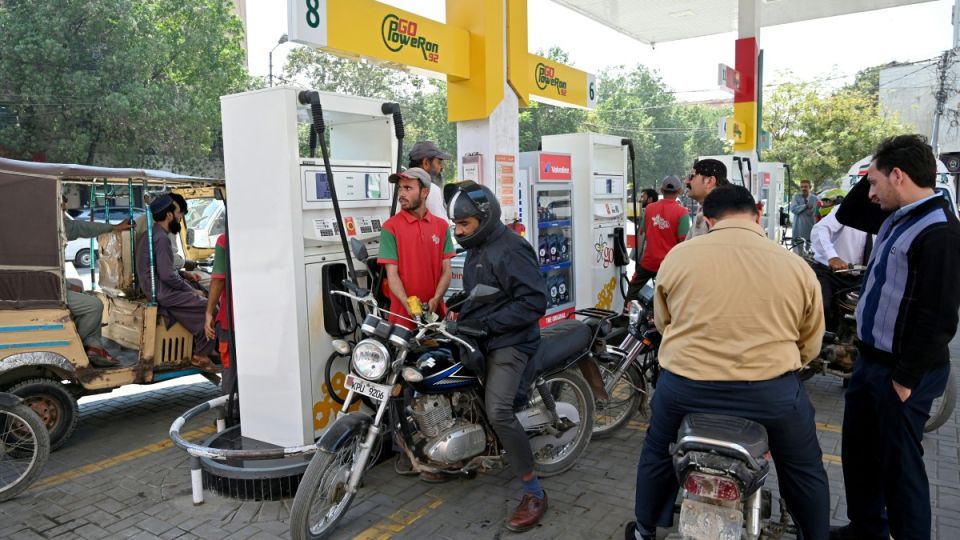
The latest increase comes only days after Prime Minister Shehbaz Sharif announced targeted fuel relief for motorcycles, rickshaws and small cars, highlighting the increasingly difficult balance facing Islamabad: allowing international energy costs to pass through to retail prices while trying to shield lower-income consumers from their impact. Under the announced scheme, owners of motorcycles and three-wheelers are to receive relief of Rs100 per litre on a monthly quota of 20 litres, while vehicles of up to 800cc are eligible for the same relief on up to 30 litres.
The increase is significant because petrol and diesel transmit energy shocks through different parts of Pakistan’s economy. Petrol is heavily consumed by motorcycles, rickshaws and private vehicles, making price changes immediately visible to households, while high-speed diesel is extensively used by trucks, buses, agricultural transport, generators and other commercial activity. Higher diesel prices can therefore work their way into freight and distribution costs and ultimately affect the prices consumers pay for goods.
The government also continues to collect substantial revenue from petroleum products. Taxes and duties currently amount to Rs114 per litre on petrol and Rs100 per litre on high-speed diesel, according to the latest pricing data. Petrol and HSD together account for the overwhelming majority of Pakistan’s petroleum-product sales, with combined monthly volumes running into hundreds of thousands of tonnes.
Fuel prices remain below the extraordinary levels reached earlier this year but are still far above where they stood before the latest Middle East conflict intensified. High-speed diesel reached Rs520.35 per litre on April 3 after rising from around Rs281 when the U.S.-Iran war began on February 28, while petrol peaked at Rs458.41 after climbing from about Rs266 in early March.
The government has repeatedly changed the way it reviews petroleum prices as international markets became more volatile. Pakistan moved from its traditional fortnightly pricing system to weekly revisions earlier in the crisis, before Petroleum Minister Ali Pervaiz Malik announced in July that prices would be determined daily according to international market movements.
That faster mechanism means changes in global markets can reach Pakistani filling stations much more quickly than under the previous system. It also makes domestic fuel prices increasingly sensitive to developments thousands of kilometres away, including disruptions to Gulf shipping, Saudi oil infrastructure and alternative crude-supply routes.
The broader pressure has not disappeared even as international oil prices fluctuate from day to day. Saudi Arabia has recently sought additional ways to move crude after attacks disrupted parts of its oil infrastructure, while uncertainty around major Middle Eastern shipping routes continues to affect expectations for supply. Those risks matter particularly for Pakistan because it depends heavily on imported petroleum and has limited ability to insulate domestic consumers from a prolonged international price shock.
The latest increase therefore illustrates a wider problem confronting Islamabad: targeted subsidies can protect selected motorists from part of the immediate increase, but they do not remove Pakistan’s underlying exposure to imported energy. Unless international supply conditions stabilise, the government could continue facing the politically and economically difficult choice between allowing higher global prices to reach consumers or absorbing more of the cost through fiscal support.