
By Mehak Najeeb – The Changer
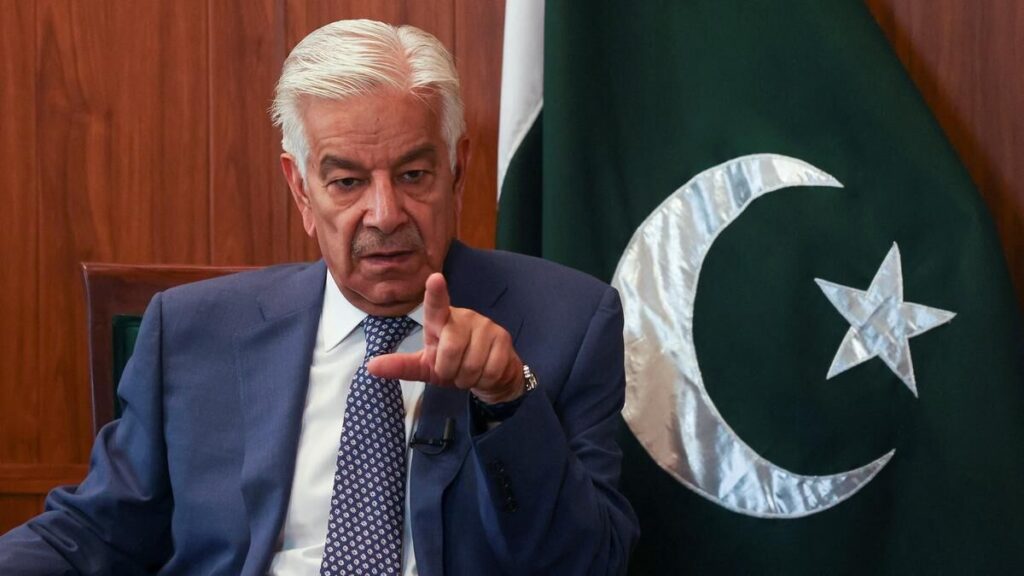
ISLAMABAD — Pakistan’s Defence Minister Khawaja Asif said on Wednesday that the Makkah Defence Alliance had reached the point where its commitments could be implemented, as escalating Houthi attacks on Saudi Arabia raised fresh questions over how Pakistan, Saudi Arabia and Türkiye would put their new collective-defence arrangement into practice.
Asif said Pakistan would stand with Saudi Arabia “practically and diplomatically” if the confrontation with Yemen’s Houthis escalated, while stressing that Islamabad remained bound by the terms of the trilateral defence agreement. He declined to disclose whether the three governments were discussing a specific joint military response, saying defence strategy could not be discussed publicly.


His comments came after the Saudi-led coalition said Saudi air defences had intercepted a Houthi drone south of Makkah before it entered prohibited airspace. The Houthis disputed the Saudi account and denied targeting the holy city, making responsibility for the incident contested.
The episode has added urgency to questions surrounding the Makkah Joint Defence Agreement, signed by Pakistan, Saudi Arabia and Türkiye on August 7. The pact provides that an armed attack against one member will be treated as an attack against all three, establishing a collective-defence framework among the countries.
Asif drew a distinction between Pakistan’s treaty obligations and its commitment to the Islamic holy sites in Saudi Arabia. He said Pakistan regarded protection of Makkah and Medina as a responsibility that went beyond the formal defence agreement and reiterated that Islamabad would fulfil its obligations if Saudi Arabia’s territorial integrity came under threat.
The defence minister’s remarks represent a stronger formulation than Islamabad used following earlier Houthi strikes. Pakistan’s Foreign Office said last week that it would act according to the requirements of the Makkah agreement but stressed at the time that no military action was under discussion.
Pakistan’s military has also emphasised that the alliance is defensive rather than an instrument for offensive operations. Director-General ISPR Lt Gen Ahmed Sharif Chaudhry described the pact as based on “collective deterrence” and said decisions on how its defence commitments would actually be operationalised rested with the three member states.
That distinction is important as Islamabad simultaneously seeks to support Riyadh and prevent the Yemen conflict from feeding a broader regional confrontation. Prime Minister Shehbaz Sharif has recently told Saudi Crown Prince Mohammed bin Salman that Pakistan would continue efforts to defuse regional tensions while expressing solidarity with Saudi Arabia following Houthi attacks.
The latest developments therefore present an early practical test for the month-old alliance. While Pakistani officials have repeatedly affirmed that the collective-defence commitment is binding, neither Islamabad nor its partners have publicly detailed what military, logistical or other measures implementation of the pact would entail.