
BY SADAF SUNDAS RIAZ I THE CHANGER
MOSCOW, Sept 3 — Russia will close Germany’s Goethe-Institut cultural centers in Moscow, St. Petersburg and Yekaterinburg, Foreign Minister Sergei Lavrov said on Thursday, escalating a rapidly widening confrontation with Berlin as relations between Moscow and European governments deteriorate further over the war in Ukraine and accusations of Russian sabotage.
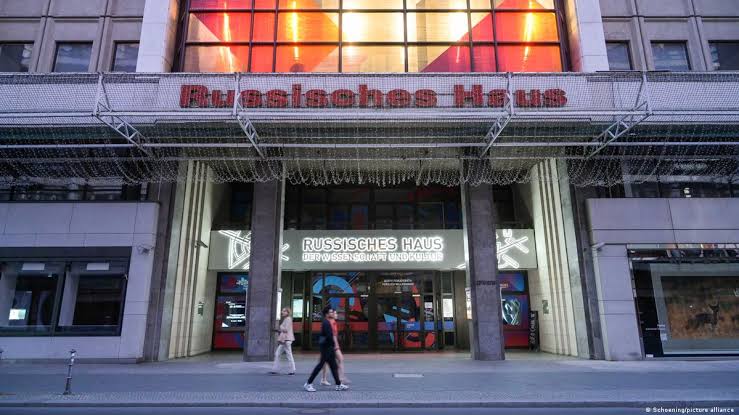
The decision is retaliation for Germany’s move to shut the Russian House cultural center in Berlin, Lavrov said at the Eastern Economic Forum in Vladivostok. Germany has also ordered the closure of Russia’s consulate in Bonn, measures announced after Berlin accused Moscow of responsibility for an attempted drone attack at Leipzig/Halle Airport. Russia denies involvement.
German authorities say an explosives-laden drone was discovered near a Ukrainian aircraft at Leipzig/Halle Airport in August and was later defused. The airport is a major international cargo hub and is used in connection with support for Ukraine. Berlin has attributed responsibility for the incident to Russia, while President Vladimir Putin has rejected the allegation and accused Germany of planting evidence to implicate Moscow.


Lavrov said Germany must have understood that shutting the Russian cultural center in Berlin would bring consequences for its own cultural institutions in Russia. He said the Goethe-Institut branches had remained open despite the severe deterioration in Moscow’s relations with Western governments since Russia’s invasion of Ukraine.
The closures will affect one of Germany’s most established instruments of cultural diplomacy in Russia. The first Goethe-Institut in the country opened in Moscow in 1992, shortly after the collapse of the Soviet Union, and its centers have promoted German language and culture for more than three decades.
The confrontation has now moved beyond traditional diplomatic expulsions into cultural relations. Germany’s closure of the Russian House and Russia’s planned removal of the Goethe-Institut branches dismantle institutions that continued operating even as political ties collapsed following the war in Ukraine.
Russia has also signaled that its response may not end with the cultural centers. Deputy Foreign Minister Alexander Grushko said Moscow would retaliate “very soon” over Germany’s decision to close the Russian consulate in Bonn, raising the prospect of further restrictions on Germany’s diplomatic presence in Russia.
The dispute comes amid broader European accusations that Russia is conducting what Western governments describe as a hybrid campaign involving sabotage, cyberattacks, disinformation and other disruptive operations intended to weaken European support for Ukraine. Moscow has repeatedly rejected allegations that it is behind such operations.
Germany has become one of Ukraine’s most important European supporters since Russia launched its full-scale invasion in 2022, providing military, financial and humanitarian assistance. That support has contributed to a dramatic deterioration in a German-Russian relationship that once included extensive trade, energy links and political engagement.
The latest closures show how little of that relationship remains insulated from the wider confrontation. Cultural organizations that survived years of sanctions, diplomatic expulsions and the breakdown of economic ties are now being pulled directly into the dispute.