
World | By Saqib S. Qureshi
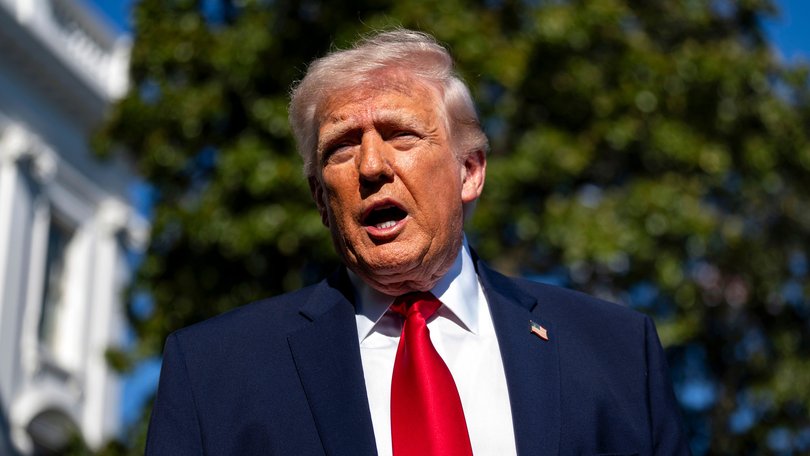
NEW YORK — President Donald Trump has dramatically escalated his rhetoric over the Strait of Hormuz, saying the United States could soon declare the strategic waterway its territory while urging Americans to accept higher gasoline prices as part of the cost of confronting Iran.
Speaking in Garden City, New York, on Friday, Trump argued that Americans may have to pay “a tiny little bit more” at the pump because of the conflict, framing higher fuel costs as a price worth paying to prevent Iran from obtaining a nuclear weapon.


Trump then made one of his most provocative statements yet over Hormuz, suggesting Washington could eventually claim the strait as US territory. The remarks come as Iran continues to assert control over shipping through the waterway and negotiations aimed at restoring normal maritime traffic remain stalled.
Trump Tells Americans Higher Gas Prices Are Worth It
The president’s comments mark a notable shift in his domestic economic messaging.
Trump has repeatedly made lower energy prices a central part of his economic agenda. But with the Iran conflict disrupting oil flows, US motorists are now facing considerably higher costs.
According to Reuters, US gasoline prices have risen about 29% from a year earlier, intensifying the political consequences of the war for American households.
The national average has recently moved above $4 a gallon, unusually high for mid-August and a potential challenge for an administration that has consistently promised cheaper energy.
Trump nevertheless defended the cost, arguing that preventing a nuclear-armed Iran justified Americans paying somewhat more for gasoline.
Can the US Actually Claim the Strait of Hormuz?
Trump’s statement is politically explosive, but declaring Hormuz American territory would raise enormous legal and diplomatic questions.
The narrow waterway lies between Iran and Oman, with territorial waters belonging to the coastal states and international navigation governed by established maritime rules.
Washington’s military presence does not by itself give the United States sovereignty over the strait.
Trump’s comments therefore appear, at least for now, to represent an escalation in political rhetoric rather than an internationally recognized change in Hormuz’s legal status.
Iran Remains Defiant
Tehran is showing little sign of backing down.
Iranian Deputy Foreign Minister Kazem Gharibabadi said the strait would remain under Iranian control unless Washington accepted defeat, while Iranian officials have rejected returning to negotiations without movement on Tehran’s demands.
The diplomatic breakdown comes after earlier optimism that Washington and Tehran might reach an arrangement to reopen the waterway.
Instead, commercial shipping has deteriorated sharply. Reuters reported that only two vessels crossed Hormuz on Friday and neither was carrying crude oil, illustrating the scale of the disruption.
Why Hormuz Is Becoming Trump’s Economic Problem
The battle over Hormuz is no longer only a foreign-policy or military issue for the White House.
It is becoming a cost-of-living issue inside the United States.
Disruption to Middle Eastern oil supplies pushes crude prices higher. Higher crude prices feed into gasoline, aviation and transportation costs. Those increases can eventually filter through to consumer prices.
That creates a politically uncomfortable connection between Trump’s Iran strategy and inflation at home — particularly as the United States approaches the November midterm elections.
Democrats are already seeking to turn higher energy costs into an argument against the administration’s handling of the war.
Washington Prepares More Pressure on Tehran
Trump’s tougher rhetoric is being accompanied by economic measures.
Treasury Secretary Scott Bessent has signaled additional financial pressure against Iran as Washington attempts to force Tehran back toward an agreement without immediately relying on another major round of military strikes.
But Iran has its own economic weapon: Hormuz.
By restricting traffic through a route central to global energy supplies, Tehran can impose costs not only on Washington but on oil-importing economies worldwide.
That makes the confrontation increasingly a contest over which side can withstand economic pressure longer.
Why It Matters
Trump’s comments reveal how dramatically the Hormuz crisis has changed.
What began as a military confrontation with Iran has evolved into a struggle over shipping, oil supplies, sanctions, inflation and ultimately control of one of the world’s most strategically important waterways.
For the White House, the political calculation is becoming more difficult.
Trump is asking Americans to accept higher gasoline prices in exchange for maintaining pressure on Tehran. Iran, meanwhile, appears to believe those same rising costs could eventually weaken Washington’s willingness to continue the confrontation.
That means the next phase of the US-Iran conflict may be fought as much at American gas stations and in global oil markets as in the Persian Gulf.
World | By Saqib S. Qureshi
NEW YORK — President Donald Trump has dramatically escalated his rhetoric over the Strait of Hormuz, saying the United States could soon declare the strategic waterway its territory while urging Americans to accept higher gasoline prices as part of the cost of confronting Iran.
Speaking in Garden City, New York, on Friday, Trump argued that Americans may have to pay “a tiny little bit more” at the pump because of the conflict, framing higher fuel costs as a price worth paying to prevent Iran from obtaining a nuclear weapon.
Trump then made one of his most provocative statements yet over Hormuz, suggesting Washington could eventually claim the strait as US territory. The remarks come as Iran continues to assert control over shipping through the waterway and negotiations aimed at restoring normal maritime traffic remain stalled.
Trump Tells Americans Higher Gas Prices Are Worth It
The president’s comments mark a notable shift in his domestic economic messaging.
Trump has repeatedly made lower energy prices a central part of his economic agenda. But with the Iran conflict disrupting oil flows, US motorists are now facing considerably higher costs.
According to Reuters, US gasoline prices have risen about 29% from a year earlier, intensifying the political consequences of the war for American households.
The national average has recently moved above $4 a gallon, unusually high for mid-August and a potential challenge for an administration that has consistently promised cheaper energy.
Trump nevertheless defended the cost, arguing that preventing a nuclear-armed Iran justified Americans paying somewhat more for gasoline.
Can the US Actually Claim the Strait of Hormuz?
Trump’s statement is politically explosive, but declaring Hormuz American territory would raise enormous legal and diplomatic questions.
The narrow waterway lies between Iran and Oman, with territorial waters belonging to the coastal states and international navigation governed by established maritime rules.
Washington’s military presence does not by itself give the United States sovereignty over the strait.
Trump’s comments therefore appear, at least for now, to represent an escalation in political rhetoric rather than an internationally recognized change in Hormuz’s legal status.
Iran Remains Defiant
Tehran is showing little sign of backing down.
Iranian Deputy Foreign Minister Kazem Gharibabadi said the strait would remain under Iranian control unless Washington accepted defeat, while Iranian officials have rejected returning to negotiations without movement on Tehran’s demands.
The diplomatic breakdown comes after earlier optimism that Washington and Tehran might reach an arrangement to reopen the waterway.
Instead, commercial shipping has deteriorated sharply. Reuters reported that only two vessels crossed Hormuz on Friday and neither was carrying crude oil, illustrating the scale of the disruption.
Why Hormuz Is Becoming Trump’s Economic Problem
The battle over Hormuz is no longer only a foreign-policy or military issue for the White House.
It is becoming a cost-of-living issue inside the United States.
Disruption to Middle Eastern oil supplies pushes crude prices higher. Higher crude prices feed into gasoline, aviation and transportation costs. Those increases can eventually filter through to consumer prices.
That creates a politically uncomfortable connection between Trump’s Iran strategy and inflation at home — particularly as the United States approaches the November midterm elections.
Democrats are already seeking to turn higher energy costs into an argument against the administration’s handling of the war.
Washington Prepares More Pressure on Tehran
Trump’s tougher rhetoric is being accompanied by economic measures.
Treasury Secretary Scott Bessent has signaled additional financial pressure against Iran as Washington attempts to force Tehran back toward an agreement without immediately relying on another major round of military strikes.
But Iran has its own economic weapon: Hormuz.
By restricting traffic through a route central to global energy supplies, Tehran can impose costs not only on Washington but on oil-importing economies worldwide.
That makes the confrontation increasingly a contest over which side can withstand economic pressure longer.
Why It Matters
Trump’s comments reveal how dramatically the Hormuz crisis has changed.
What began as a military confrontation with Iran has evolved into a struggle over shipping, oil supplies, sanctions, inflation and ultimately control of one of the world’s most strategically important waterways.
For the White House, the political calculation is becoming more difficult.
Trump is asking Americans to accept higher gasoline prices in exchange for maintaining pressure on Tehran. Iran, meanwhile, appears to believe those same rising costs could eventually weaken Washington’s willingness to continue the confrontation.
That means the next phase of the US-Iran conflict may be fought as much at American gas stations and in global oil markets as in the Persian Gulf.