
Pakistan | By Uzair Saleem
ISLAMABAD — Prime Minister Shehbaz Sharif has ordered an independent third-party audit of Pakistan’s customs-bonded warehouses covering the past three years, launching a nationwide review of a system that handles a significant share of the country’s imports.
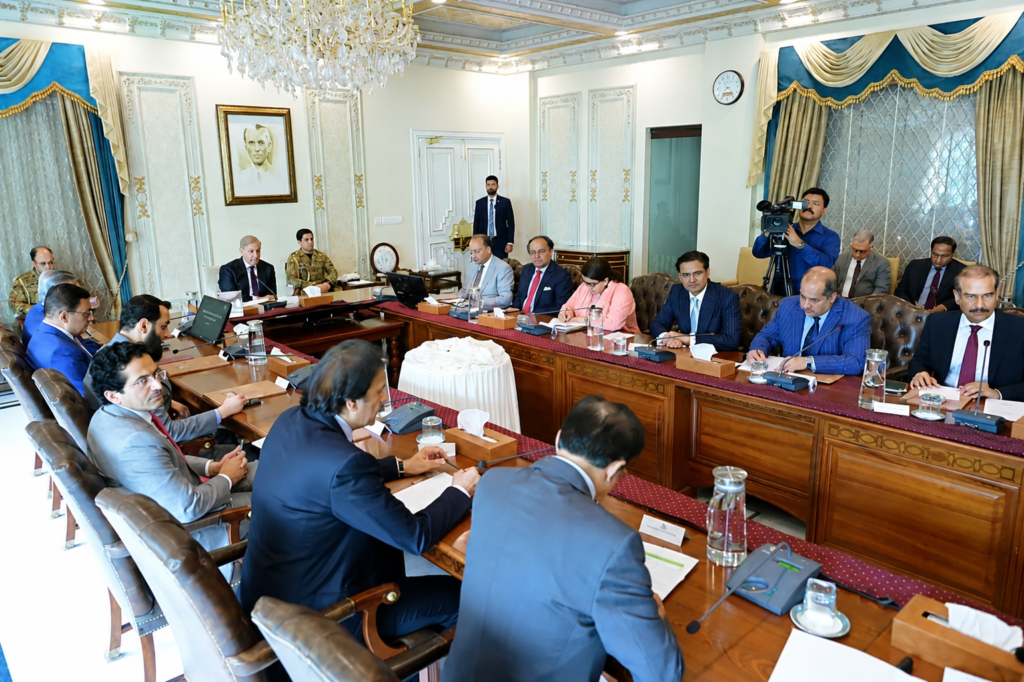
The prime minister issued the directives during a meeting on Tuesday reviewing the performance and regulatory framework of customs-bonded warehouses, according to reports. Bonded trade currently accounts for about 16.5% of Pakistan’s total imports, putting billions of rupees in trade and potential customs revenue within the scope of the government’s review.


The government has also ordered physical verification of stocks across the country, signaling that the exercise will go beyond reviewing paperwork and examine whether goods recorded in customs systems correspond with inventories actually held at bonded facilities.
Why Bonded Warehouses Are Under Scrutiny
Customs-bonded warehouses allow imported goods to be stored without immediate payment of applicable customs duties and taxes, subject to specific rules and customs supervision.
The system is designed to facilitate legitimate trade and ease businesses’ cash-flow pressures. But weak monitoring can create opportunities for irregularities, including discrepancies in inventory records, unauthorized movement of goods and potential revenue leakage.
With bonded trade representing more than one-sixth of Pakistan’s imports, even relatively small compliance gaps can carry significant consequences for government revenue.
Government Wants Independent Verification
The three-year audit is intended to provide authorities with an outside assessment rather than relying exclusively on existing departmental records.
The review is expected to examine warehouse operations and compliance while the nationwide physical verification will provide authorities with a clearer picture of stocks being held under the bonded regime.
The move fits into the government’s broader push to strengthen customs enforcement, improve transparency and increase revenue collection through tighter monitoring and digital oversight.
FBR Under Pressure to Close Revenue Gaps
The Federal Board of Revenue has been under sustained pressure to improve enforcement as Islamabad seeks to raise domestic revenue and reduce weaknesses in Pakistan’s tax and customs systems.
Previous government audit work has identified revenue problems connected with bonded goods, including delayed clearance of overstayed goods. That history gives the latest nationwide review added significance.
For businesses operating legitimately under the bonded regime, stronger oversight could also help create a more transparent system by ensuring that compliant operators are not competing against businesses exploiting regulatory weaknesses.
Why It Matters
This is more than an inspection of warehouses.
The government is effectively examining a customs mechanism connected to 16.5% of the country’s imports at a time when every source of revenue matters for Pakistan’s finances.
If the audit identifies substantial discrepancies between customs records and physical inventories, it could trigger recoveries, enforcement action and potentially broader reforms in the way bonded warehouses are licensed and monitored.
For the Shehbaz government, the bigger test will come after the audit: whether irregularities identified by independent reviewers actually translate into recoveries and lasting customs reform.