
World | By Shahnoor Saqib
WASHINGTON — The United States and Iran appear to be moving closer to an agreement aimed at securing the Strait of Hormuz, even as fresh maritime attacks underscore the fragile security situation in one of the world’s most strategic waterways.
U.S. Treasury Secretary Scott Bessent said there is “a chance we may have a deal” within the coming hours, echoing President Donald Trump’s recent optimism that a breakthrough could be imminent.


The comments come as diplomats race to finalize an arrangement designed to protect commercial shipping while preventing another escalation between Washington and Tehran.
Diplomacy Continues Despite New Attacks
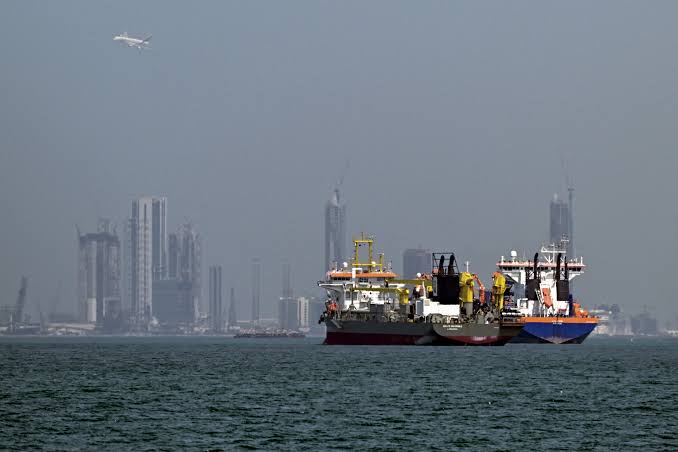
The renewed diplomatic push comes after fresh incidents involving commercial vessels in Gulf waters heightened concerns over maritime security.
While details of the latest attacks remain under investigation, they have reinforced the urgency of reaching an agreement that guarantees safe navigation through the Strait of Hormuz.
Officials involved in the talks say negotiations have made meaningful progress, although several technical and security issues still need to be resolved.
Why Hormuz Matters
The Strait of Hormuz carries nearly 20% of the world’s traded oil, making it one of the most critical energy chokepoints on the planet.
Any disruption can affect:
- Global oil supplies.
- Fuel prices.
- International shipping.
- Insurance costs.
- Inflation across major economies.
A successful agreement could restore confidence to energy markets that have remained volatile throughout the crisis.
Trump Administration Sees Momentum
Speaking to CNBC, Bessent said negotiators are optimistic about the direction of the talks.
His remarks align with President Trump’s recent statements suggesting diplomacy remains possible despite ongoing military tensions between the two countries.
The administration maintains that any agreement must ensure freedom of navigation while protecting American interests and regional stability.
Markets Watching Every Development
Global financial markets are closely monitoring the negotiations.
Energy analysts say confirmation of a Hormuz agreement could:
- Reduce geopolitical risk.
- Ease pressure on crude oil prices.
- Lower shipping costs.
- Improve investor confidence.
- Help slow inflation driven by higher energy prices.
However, any new maritime attack or breakdown in negotiations could quickly reverse those gains.
Why It Matters
The coming hours could determine whether diplomacy succeeds where months of military confrontation failed.
A Hormuz agreement would not only reduce tensions between the United States and Iran but could also stabilize global energy markets and lower the risk of a wider regional conflict.