
Analysis | By Shahnoor Saqib
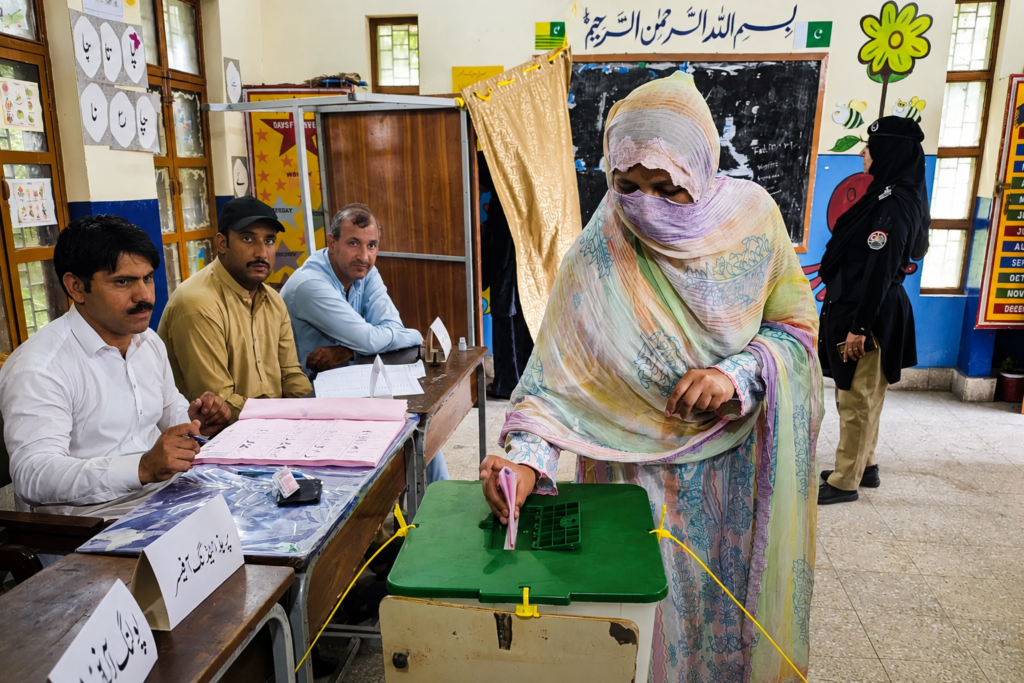
MUZAFFARABAD — The second phase of local government elections in Azad Jammu and Kashmir (AJK) has concluded, but attention is shifting away from the voting itself and toward allegations that could shape the political narrative long after the ballots are counted.
The Pakistan Peoples Party (PPP) has accused election authorities and political rivals of widespread rigging, alleging irregularities in several constituencies and demanding transparent investigations. Election officials, however, insist the voting process was conducted according to established procedures.


The competing narratives have once again highlighted the challenge facing elections in Pakistan and AJK: public confidence often becomes as important as the final results.
What Is the PPP Alleging?
PPP leaders claim polling was affected by:
- Alleged interference at selected polling stations.
- Delays in vote counting.
- Complaints regarding polling staff.
- Concerns over transparency during result compilation.
Party officials argue these issues may have influenced outcomes in closely contested constituencies.
Election authorities have yet to acknowledge any systemic problems affecting the overall credibility of the vote.
Why Do These Claims Matter?
Rigging allegations have become a recurring feature of elections across Pakistan.
Whether eventually proven or dismissed, such accusations can weaken public trust, trigger legal challenges and prolong political uncertainty.
For parties that fail to perform as expected, questioning the electoral process has often become part of the post-election political battle.
What’s at Stake in AJK?
Although these are local government elections, they carry significance beyond municipal administration.
AJK remains politically sensitive because parties frequently treat local polls as a test of their organizational strength ahead of future provincial and national elections.
Strong performances can influence party morale, coalition-building and campaign strategies.
What Happens Next?
The focus will now shift to:
- Official certification of results.
- Possible recount requests.
- Election petitions.
- Investigations into complaints, if formally filed.
If disputes remain unresolved, political tensions could continue even after winners are officially declared.
The Bigger Picture
Election disputes are increasingly becoming part of Pakistan’s democratic process.
Rather than ending political competition, voting often marks the beginning of a new phase involving legal challenges, public statements and competing claims over legitimacy.
How institutions respond to these allegations may ultimately prove more important than the accusations themselves.
Why It Matters
Democracy depends not only on people casting ballots but also on political parties accepting credible results.
If voters lose confidence in electoral institutions, future elections become harder to administer and their outcomes more difficult to unite behind.
Transparent investigations into complaints—regardless of which party raises them—are essential to maintaining public trust in the democratic process.