
Explainer | By Saqib S. Qureshi
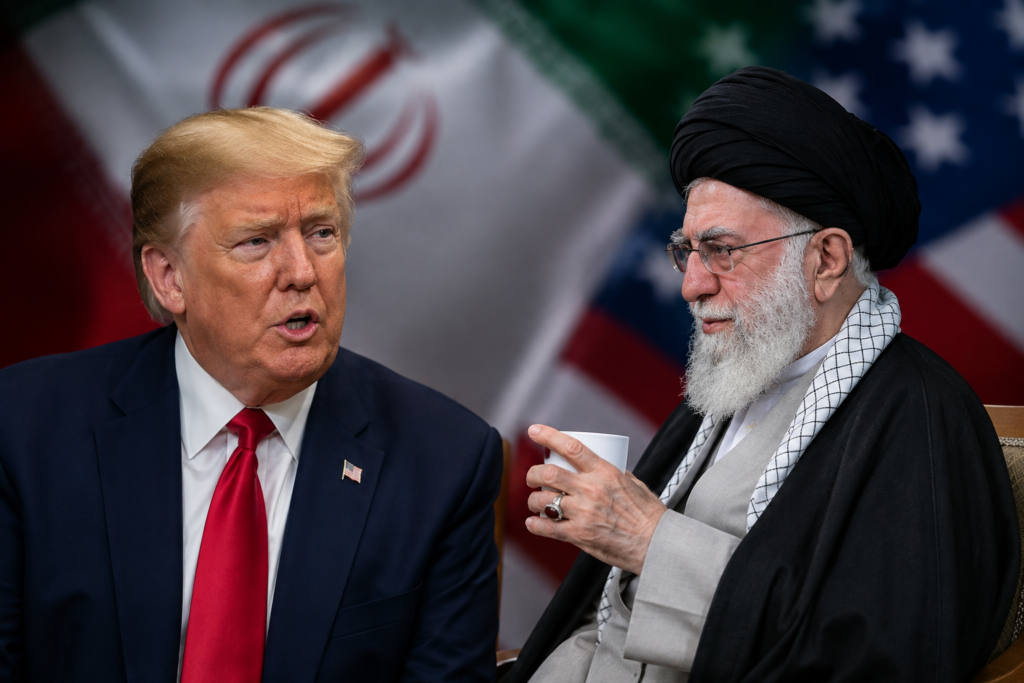
WASHINGTON / TEHRAN — In just a few months, the United States and Iran moved from full-scale military confrontation to uneasy diplomacy—and then back to the brink of conflict again.
What began with a surprise US-Israeli military campaign against Iran evolved into ceasefire negotiations, historic diplomacy hosted by Pakistan, and fresh clashes in the Strait of Hormuz. While several agreements have temporarily reduced tensions, none has resolved the deeper rivalry between Washington and Tehran.


Here’s how the crisis unfolded.
February 28: War Begins
The conflict entered a new phase when the United States and Israel launched coordinated military strikes against Iran.
President Donald Trump declared the beginning of “major combat operations,” describing the campaign as a necessary response to what Washington called growing regional threats posed by Tehran.
The strikes targeted military facilities, command centers and strategic infrastructure across Iran.
The attacks marked the largest direct military operation against Iran in decades and dramatically raised fears of a wider Middle East war.
The Assassination That Changed Iran
One of the most consequential moments of the conflict came when Supreme Leader Ayatollah Ali Khamenei was killed during US-Israeli strikes.
His death ended more than three decades of leadership and created the most significant political transition in Iran since the 1989 succession following Ayatollah Ruhollah Khomeini.
Soon afterward, Mojtaba Khamenei assumed the position of Iran’s new Supreme Leader, promising continuity while confronting an unprecedented national security crisis.
The leadership transition reshaped Iran’s military and political calculations at a critical moment in the conflict.
April 8: A Two-Week Ceasefire
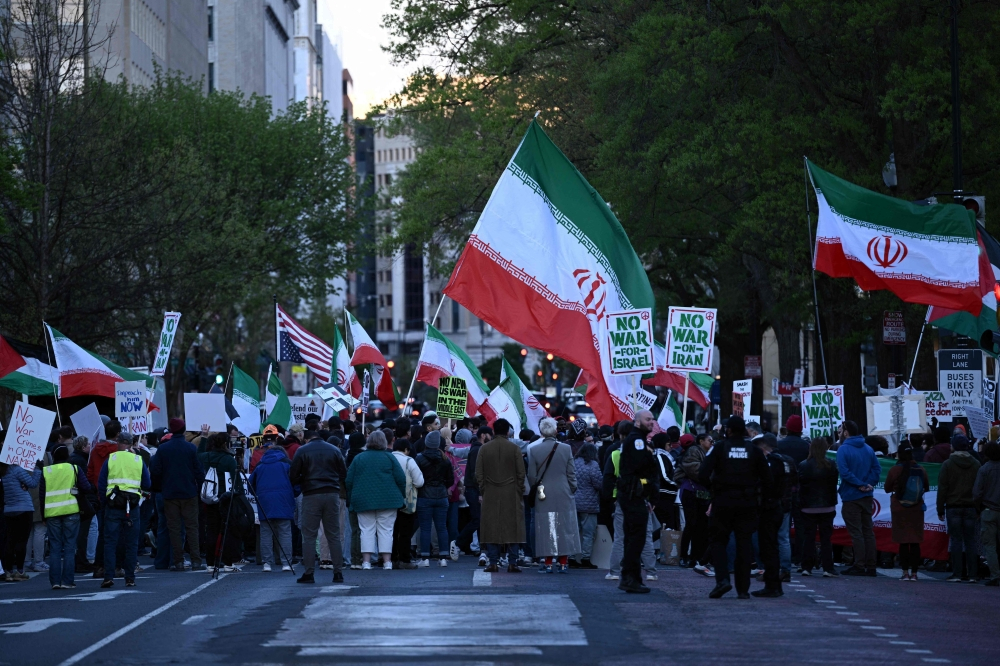
After weeks of escalating attacks, Washington and Tehran agreed to a two-week ceasefire.
Although limited in scope, the pause became the first meaningful diplomatic breakthrough since the war began.
The ceasefire allowed humanitarian operations to expand while opening indirect communication channels between both governments.
Still, neither side viewed it as a permanent peace agreement.
Pakistan Hosts Historic Talks
In April, Pakistan emerged as an unexpected diplomatic bridge.
Islamabad hosted the first face-to-face negotiations between American and Iranian officials in 47 years, providing a neutral venue for discussions aimed at preventing the conflict from spiraling further.
Although negotiators failed to reach a comprehensive agreement, they also avoided a collapse in dialogue.
Diplomats described the talks as difficult but constructive, laying the foundation for future negotiations.
Pakistan’s role was widely viewed as one of the most significant diplomatic initiatives in the region in recent years.
June: Diplomacy Gains Momentum
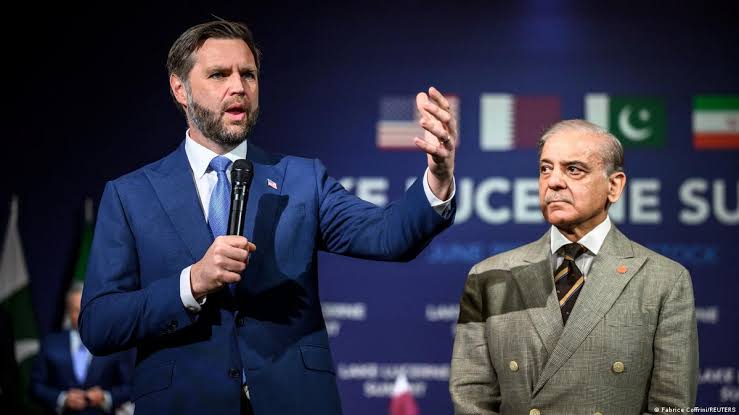
Following preliminary understandings to reduce hostilities, senior American and Iranian officials met in Switzerland on June 20.
The meeting focused on military de-escalation, maritime security and the possibility of a broader political framework.
Days later, another round of negotiations took place in Doha on July 1, where mediators reported “positive progress.”
While many difficult issues remained unresolved, optimism briefly grew that the two longtime adversaries might finally be moving toward a more durable agreement.
July 8: Fighting Returns
The diplomatic momentum proved short-lived.
The United States launched another wave of strikes after accusing Iran of supporting attacks on commercial vessels in the Strait of Hormuz, one of the world’s most important energy corridors.
Iran responded with retaliatory military action, reigniting fears that the Gulf could once again become the center of a broader regional conflict.
Commercial shipping, energy markets and neighboring Gulf states immediately returned to high alert.
Where Does the Conflict Stand Now?
The conflict has entered an uncertain phase.
Diplomatic channels remain open, but military confrontations continue to threaten any progress made at the negotiating table.
Neither Washington nor Tehran appears willing to abandon negotiations entirely, yet neither side has shown readiness to make the concessions necessary for a comprehensive peace settlement.
That means the Middle East remains caught between diplomacy and renewed confrontation.
Why It Matters
The US-Iran confrontation is no longer a dispute affecting only two countries.
Its consequences now extend across the Middle East, influencing energy markets, maritime security, global trade and the foreign policies of regional powers.
The coming months will determine whether diplomacy finally gains the upper hand—or whether another military escalation pushes the region back toward full-scale conflict.
Timeline at a Glance
- Feb. 28: US and Israel launch major strikes on Iran; Trump announces “major combat operations.”
- Early March: Ayatollah Ali Khamenei is killed; Mojtaba Khamenei becomes Iran’s new Supreme Leader.
- April 8: US and Iran agree to a two-week ceasefire.
- April: Pakistan hosts the first direct US-Iran talks in 47 years.
- June 20: High-level negotiations take place in Switzerland.
- July 1: Talks continue in Doha, with mediators reporting positive progress.
- July 8: US strikes Iran again after attacks on ships in Hormuz; Tehran retaliates.